Temple History & Heritage
Dussehra 2026: Date, Significance, History, Rituals and Celebrations in India
- Published date
- 15 Oct 2026
- Author
- The Temple Pilgrim
- Category
- Temple History & Heritage
Introduction
Dussehra, also known as Vijayadashami, is one of India's most significant Hindu festivals, celebrating the victory of good over evil. Observed at the end of Navaratri, the festival holds deep religious and cultural importance for devotees across the country. From the traditional burning of Ravana's effigies in North India to the magnificent Mysuru Dasara celebrations in Karnataka, Dussehra brings together faith, family, heritage, and community.
For devotees visiting the Sri Chamundeshwari Temple in Mysuru, Vijayadashami has a special connection with Goddess Chamundeshwari, who is worshipped as the divine power that defeated the buffalo demon Mahishasura. The festival is also an important occasion for pilgrims, tourists, and spiritual seekers to experience Karnataka's rich traditions.
Dussehra 2026 Date and Auspicious Timing
Dussehra 2026 will be celebrated on Tuesday, October 20, 2026, corresponding to Vijayadashami, the tenth day of the Hindu lunar month of Ashwin.
The festival follows the nine days of Navaratri and marks the conclusion of the celebrations dedicated to the divine feminine in many Hindu traditions.
Important details about Dussehra 2026
-
Festival: Dussehra / Vijayadashami
-
Date: Tuesday, October 20, 2026
-
Location: Celebrated throughout India
-
Special attraction in Karnataka: Mysuru Dasara and worship at Sri Chamundeshwari Temple
-
Religious importance: Victory of good over evil and the triumph of righteousness
Vijayadashami rituals are often performed during the Vijaya Muhurta, an auspicious period determined according to the local Hindu calendar. Exact timings for puja, temple ceremonies, and other observances may vary by location.
Devotees should check a reliable local panchang or the temple's official announcements for precise muhurta timings and the confirmed schedule of Mysuru Dasara events.
What Is Dussehra? Understanding Its Significance
Dussehra is a Hindu festival that celebrates the triumph of righteousness over evil, truth over falsehood, and courage over injustice. The name Vijayadashami combines Vijaya, meaning victory, and Dashami, referring to the tenth lunar day.
The festival is associated with two major religious traditions:
-
Lord Rama's victory over Ravana: In the Ramayana, Lord Rama defeats Ravana, the king of Lanka, to rescue Sita and restore dharma.
-
Goddess Durga's victory over Mahishasura: In Hindu tradition, Goddess Durga defeats the buffalo demon Mahishasura after a prolonged battle, symbolising the victory of divine power over destructive forces.
Both traditions share a central message: evil may appear powerful, but truth, courage and righteousness ultimately prevail.
Why is Dussehra celebrated?
Dussehra is celebrated to remember these victories and encourage people to follow the principles of dharma, compassion, integrity, and justice in everyday life.
For devotees, the festival is also an opportunity to:
-
Offer prayers and express gratitude to the divine.
-
Reflect on personal growth and overcome negative habits.
-
Seek blessings for prosperity, wisdom, and success.
-
Celebrate family traditions and community harmony.
The exact form of worship varies according to regional customs, family traditions, and local temple practices.
Dussehra History: The Stories Behind Vijayadashami
The Dussehra festival history is rooted in Hindu epics, sacred traditions, and centuries-old regional celebrations. Although the stories differ, they all emphasise the importance of standing against injustice.
1. Lord Rama and Ravana
According to the Ramayana, Ravana abducts Sita, the wife of Lord Rama. Rama, supported by Lakshmana, Hanuman, and the Vanara army, wages a battle against Ravana's forces.
The conflict culminates in Ravana's defeat, after which Rama reunites with Sita. This victory is commemorated through Dussehra celebrations, especially in many parts of North India.
The burning of Ravana's effigies, popularly known as Ravan Dahan, represents the destruction of evil and the consequences of arrogance and wrongdoing.
2. Goddess Durga and Mahishasura
Another important Dussehra festival story centres on Goddess Durga's battle against Mahishasura. According to Hindu tradition, the demon's growing power threatened the gods and disrupted cosmic order.
The divine powers united to manifest Goddess Durga, who fought Mahishasura and ultimately defeated him. Her victory is celebrated during Navaratri and Vijayadashami.
In Mysuru, this story has particular significance because Goddess Chamundeshwari is worshipped as the form of the Divine Mother who defeated Mahishasura.
3. The significance of the tenth day
The tenth day marks the culmination of the nine-day Navaratri observance. It represents victory, renewal, and the restoration of balance.
In different traditions, Vijayadashami is also considered an auspicious occasion to begin learning, start new ventures, or seek blessings before important undertakings.
Sri Chamundeshwari Temple: The Spiritual Heart of Mysuru Dasara
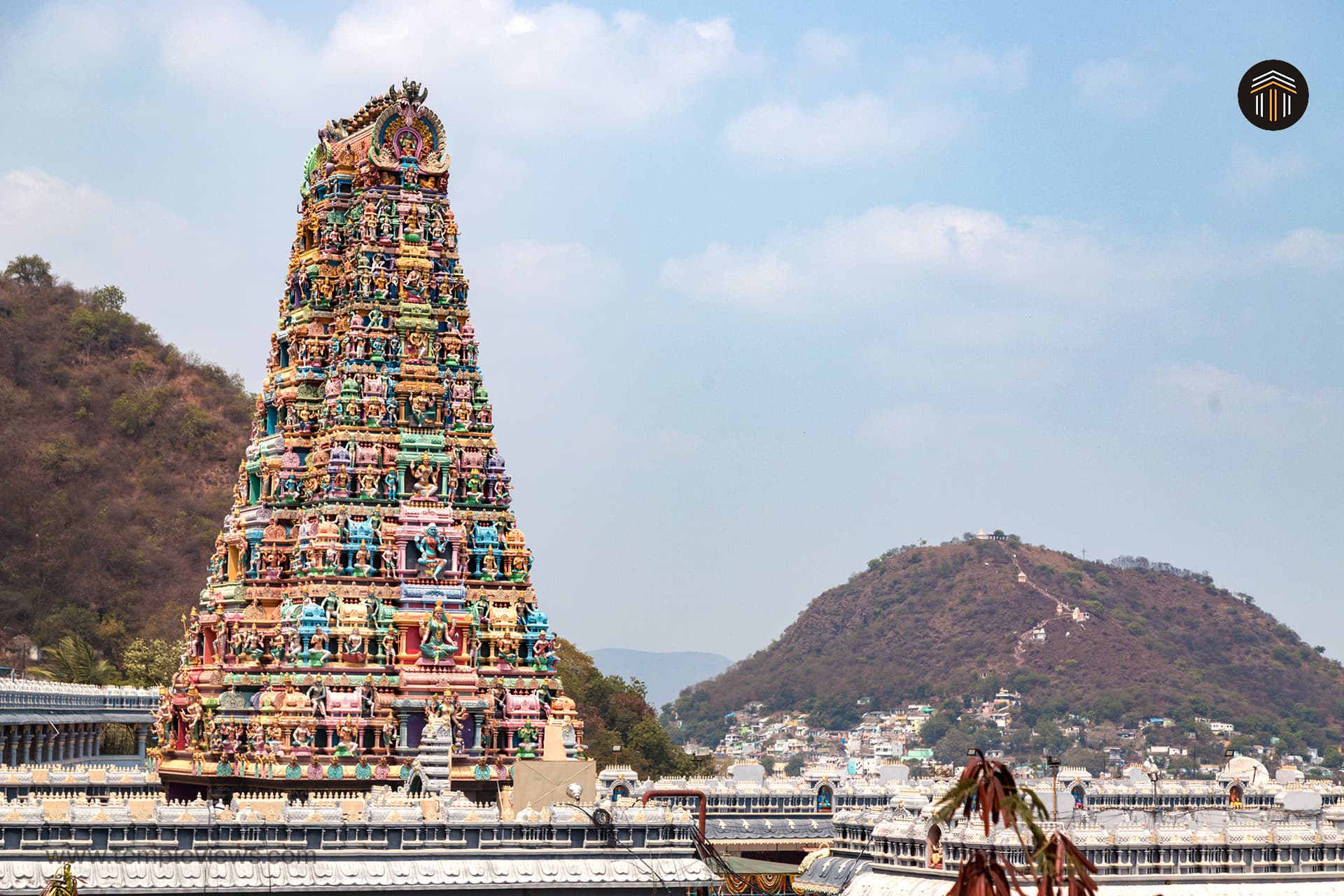
The Sri Chamundeshwari Temple, located on Chamundi Hill near Mysuru in Karnataka, is one of the city's most important pilgrimage destinations. Dedicated to Goddess Chamundeshwari, the temple is closely associated with the legend of Goddess Durga's victory over Mahishasura.
Mysuru itself takes its name from Mahishasura in the traditional account of the region's origins. The city's royal and religious heritage has helped shape its distinctive Dasara celebrations.
Why is Chamundeshwari Devi Temple important during Dussehra?
The temple's connection with the goddess's victory makes it an especially meaningful place to visit during Navaratri and Vijayadashami.
Devotees visit to:
-
Offer prayers to Goddess Chamundeshwari.
-
Seek blessings for health, courage, prosperity, and family well-being.
-
Participate in worship according to the temple's prescribed customs.
-
Experience the spiritual atmosphere of Chamundi Hill during the festival season.
The temple is also a place to learn about the relationship between Mysuru's religious traditions, royal history, and regional identity.
Visitors should remember that temple darshan timings, special pujas, entry arrangements, and crowd-control measures may change during major festival days. Confirm current arrangements before travelling.
Mysuru Dasara 2026: How Karnataka Celebrates Dussehra
Mysuru Dasara is among Karnataka's best-known cultural festivals. Its celebrations combine devotion to Goddess Chamundeshwari with the heritage of the former Mysuru royal court, public performances and traditional processions.
The festival usually extends across the ten days of Navaratri, with programmes and activities scheduled throughout Mysuru.
Major attractions of Mysuru Dasara
1. Chamundeshwari worship
Special prayers and religious observances honour the goddess during the festival. For many devotees, visiting Chamundi Hill is an important part of the celebration.
2. Mysuru Palace illumination
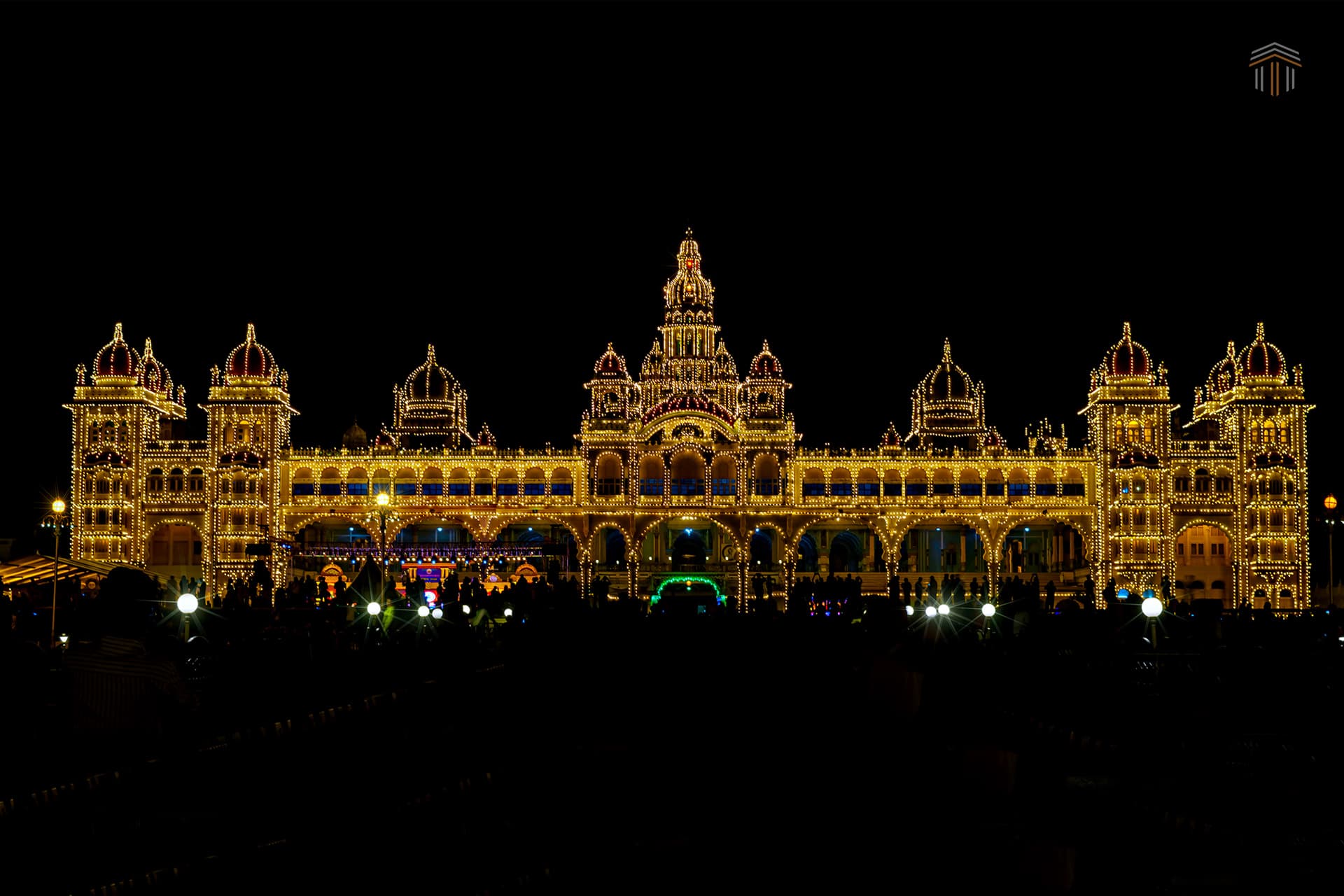
The illuminated Mysuru Palace is one of the festival's most recognisable attractions. Visitors should check the officially announced dates and timings for palace lighting in 2026.
3. Jamboo Savari procession
The traditional Vijayadashami procession, popularly known as Jamboo Savari, is a major highlight of Mysuru Dasara. The procession is associated with the ceremonial presentation of Goddess Chamundeshwari and features traditional pageantry and cultural elements. The exact programme and arrangements depend on official announcements.
4. Cultural programmes
Music, dance, folk performances, exhibitions and other public events showcase Karnataka's artistic heritage. Programme details and venue access can vary from year to year.
5. Traditional decorations and festivities
Mysuru's streets, markets and public spaces often take on a festive atmosphere, making the city appealing to families, pilgrims and tourists alike.
Travel tips for visiting Mysuru during Dussehra
-
Book accommodation and transport early, as visitor demand can increase significantly during the festival.
-
Plan your Chamundi Hill visit with extra travel time for traffic and crowd management.
-
Carry drinking water and comfortable footwear, and follow temple instructions.
-
Check official announcements before attending the procession or palace events.
-
Respect worshippers, local customs, and designated photography restrictions.
For a more rewarding pilgrimage, consider combining your temple visit with Mysuru's cultural attractions, while leaving enough time for darshan and travel.
Dussehra Rituals and Traditions Across India
Although the festival shares a common message, the rituals differ considerably from region to region.
North India: Ravan Dahan
In many North Indian communities, public celebrations include Ram Lila performances that narrate episodes from the Ramayana. On Vijayadashami, Ravana, Meghnada and Kumbhakarna effigies are burned to symbolise the defeat of evil.
Karnataka: Worship of Goddess Chamundeshwari
Mysuru Dasara places special emphasis on the Divine Mother. Temple worship, royal traditions, processions and cultural programmes are central to the celebrations.
West Bengal: Durga Puja and Vijayadashami
Durga Puja commemorates Goddess Durga's victory over Mahishasura. Vijayadashami marks the concluding phase of the festival, with farewell rituals and the immersion of Durga idols according to local customs.
Other regional traditions
Across India, families may perform Ayudha Puja, worship tools and instruments, or observe Shastra Puja, depending on their regional and community traditions. Vijayadashami is also associated with Vidyarambham, the ceremonial introduction of children to learning in parts of southern India.
These customs demonstrate how one festival can express a shared spiritual message through different cultural practices.
How to Celebrate Dussehra at Home
Families can observe Dussehra in simple, meaningful ways without elaborate arrangements.
-
Clean and prepare your prayer space before performing puja.
-
Offer prayers to your family deity according to your household tradition.
-
Read or listen to stories from the Ramayana or Devi Mahatmya to understand the festival's spiritual meaning.
-
Practise gratitude and charity, sharing food or helping those in need.
-
Encourage children to learn the festival's message through stories, art, and family discussions.
-
Begin a new learning activity or personal goal, if this is part of your tradition.
You can also explore festival guides and temple information on Templeviews to plan meaningful visits and learn more about India's sacred destinations.
Conclusion
Dussehra is more than a festival marking the end of Navaratri; it is a reminder to choose truth, courage, and righteousness in everyday life. Its stories of Lord Rama and Goddess Durga continue to inspire devotees across generations.
In Karnataka, Mysuru Dasara brings this message to life through the worship of Goddess Chamundeshwari, traditional processions, and the city's rich cultural heritage. A visit to the Sri Chamundeshwari Temple during the festival can offer an opportunity for prayer, reflection and a deeper understanding of the region's traditions.
As Dussehra 2026 approaches, devotees and travellers can prepare to celebrate Vijayadashami with devotion, respect for local customs and an appreciation of India's diverse festival traditions.
Frequently Asked Questions
Dussehra 2026 falls on Tuesday, October 20, 2026. It is observed as Vijayadashami, the tenth day following the nine days of Navaratri. Check your local panchang for auspicious timings.
Dussehra celebrates the victory of good over evil. It commemorates Lord Rama's victory over Ravana and, in another important tradition, Goddess Durga's defeat of Mahishasura.
The Sri Chamundeshwari Temple in Mysuru is dedicated to the goddess associated with the defeat of Mahishasura. Its religious significance makes it an important pilgrimage destination during Navaratri and Mysuru Dasara.
Dussehra and Vijayadashami generally refer to the same festival, although the names and associated customs vary across regions. Both mark the tenth day and celebrate the triumph of righteousness.
Mysuru Dasara combines worship of Goddess Chamundeshwari with royal traditions, the Jamboo Savari procession, palace illumination and cultural programmes. It is a distinctive expression of Karnataka's religious and cultural heritage.