Pilgrimage & Travel
Amarnath Cave Temple Travel Guide: Accommodation, Helicopter Options & Essential Tips
- Published date
- 19 Oct 2026
- Author
- The Temple Pilgrim
- Category
- Pilgrimage & Travel
Introduction
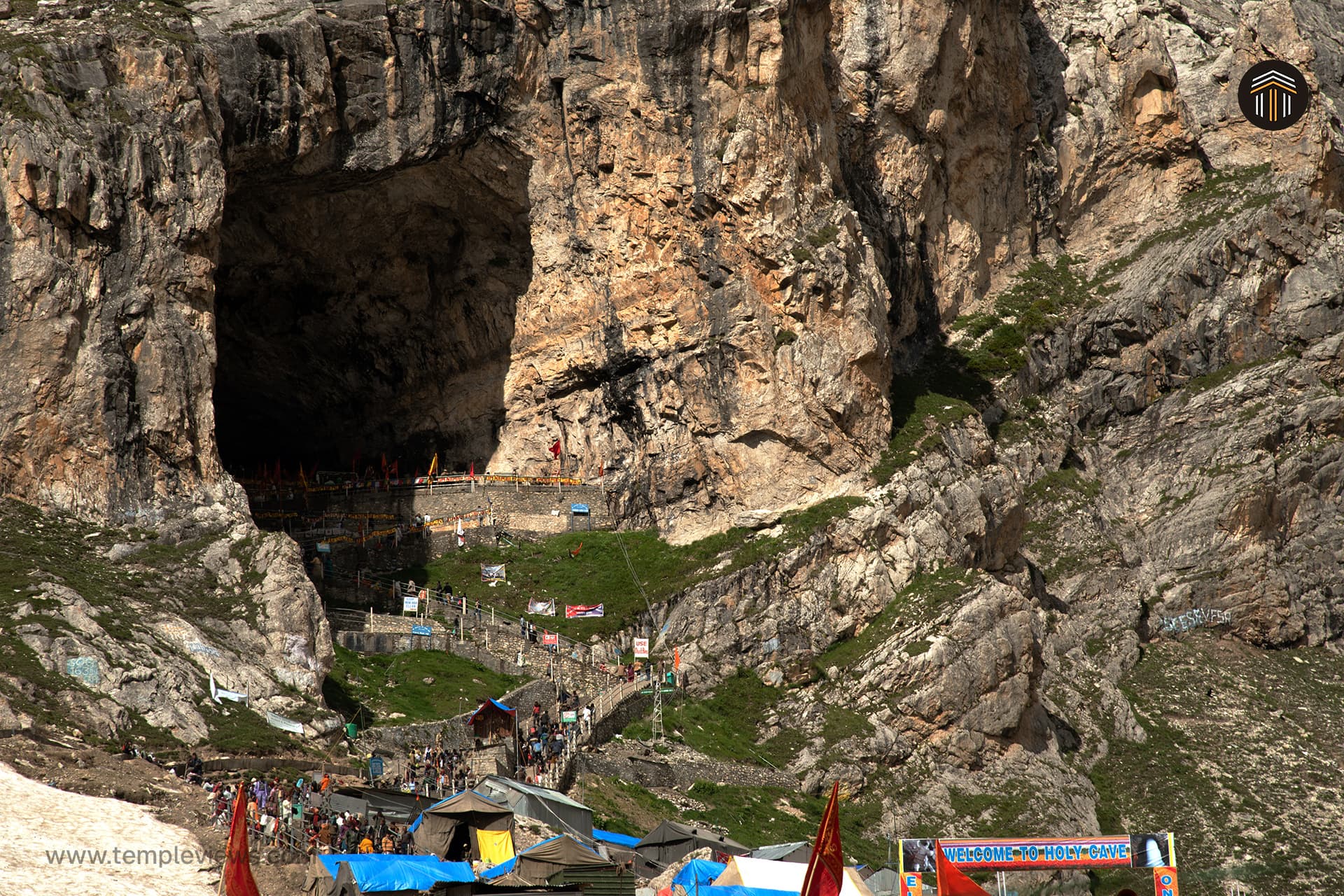
The Amarnath Cave Temple in Jammu and Kashmir is one of the most sacred pilgrimage destinations dedicated to Lord Shiva. High in the Himalayas, this holy cave draws devotees, families, tourists, and spiritual seekers who want to experience the religious significance of the Amarnath Ice Lingam and the natural beauty of the surrounding mountains.
Planning an Amarnath Yatra requires more than arranging transportation. Pilgrims must consider accommodation, registration, medical fitness, weather conditions, and the physical demands of high-altitude travel.
Why Is Amarnath Cave Famous?
The Amarnath Cave is famous for the Natural Ice Shivling, a naturally formed ice structure traditionally worshipped as the manifestation of Lord Shiva. The shrine is associated with Hindu mythology, including the belief that Lord Shiva revealed the secret of immortality, known as the Amar Katha, to Goddess Parvati.
The pilgrimage is commonly known as the Amarnath Yatra. Its high-altitude setting, religious importance, and challenging mountain routes make it a distinctive spiritual journey.
For devotees seeking a Lord Shiva temple in Kashmir, Amarnath offers an experience that combines faith, Himalayan landscapes, and traditional pilgrimage practices.
Accommodation Options for Amarnath Yatra
Choosing suitable accommodation helps pilgrims rest before and after the demanding mountain journey. Options vary by location, availability, and the official arrangements for each pilgrimage season.
1. Hotels in Srinagar and Pahalgam
Srinagar offers hotels and guesthouses for travellers who want to arrive early, organise their documents, and prepare for the journey. Pahalgam is another useful base for pilgrims taking the traditional Pahalgam route.
2. Hotels and camps near Baltal
Baltal, near Sonamarg, is the base camp for the shorter Baltal route. Seasonal camps and other accommodation may be available during the authorised Yatra period. Check current facilities and availability before travelling.
3. Official Yatra accommodation
The Shri Amarnathji Shrine Board and authorised service providers publish information about accommodation and facilities during the pilgrimage. Confirm the location, rates, and booking conditions through official channels instead of relying on unverified offers.
Practical tip: Book your accommodation near the relevant base camp in advance, and allow extra time for weather-related delays. Avoid assuming that a hotel or camp near the route will be open outside the official pilgrimage season.
Amarnath Helicopter Services: Routes and Booking
Helicopter services have been offered in previous Yatra seasons to help pilgrims reach Panjtarni, from where further travel to the Holy Cave is required. Helicopter transport does not necessarily take passengers directly to the shrine.
Historically, the main service routes have included:
-
Baltal route: Neelgrath-Panjtarni-Neelgrath.
-
Pahalgam route: Pahalgam-Panjtarni-Pahalgam.
-
Srinagar connection: Srinagar-Neelgrath-Srinagar, when officially available.
These routes are described by the Shri Amarnathji Shrine Board.
Important current-season update: The official Shrine Board announced that helicopter services would not be available within the Yatra area during the 2026 pilgrimage because of a no-flying-zone order. As the 2026 Yatra has ended, anyone planning a future visit must check the latest official announcement rather than assume helicopter services will operate.
How to Reach Amarnath Cave Temple
The shrine can traditionally be approached through two main trekking routes.
Pahalgam route
The traditional route runs through Chandanwari, Pissu Top, Sheshnag, and Panchtarni before reaching the Holy Cave. It is longer, at approximately 32 km along the pilgrimage route, and generally requires more time.
Baltal route
The Baltal route is approximately 14 km and is the shorter trekking option. However, its steep terrain and demanding conditions mean that a shorter route is not necessarily an easier route.
The route you choose should depend on your physical fitness, available time, weather conditions, and official instructions for that season.
Essential Tips for Amarnath Yatra Pilgrims
A successful pilgrimage begins with preparation. The Himalayan environment can change quickly, and the high altitude may affect even otherwise active travellers.
-
Complete registration: Obtain the required Yatra permit and follow the current season's registration procedure.
-
Check medical requirements: Review the compulsory health certificate rules and consult a doctor before attempting a high-altitude trek.
-
Pack warm clothing: Carry thermal layers, a waterproof jacket, gloves, and suitable trekking footwear.
-
Prepare for rain: Bring a raincoat, waterproof bags, and protection for essential documents.
-
Carry identification: Keep your original valid photo ID and follow instructions for collecting and wearing the required RFID card.
-
Stay hydrated: Drink water regularly, eat adequately, and avoid rushing during the ascent.
-
Follow official instructions: Stop or seek assistance if you experience dizziness, breathlessness, confusion, or unusual weakness.
-
Check weather updates: Routes and pilgrim movement may be restricted because of weather, security, or other safety concerns.
The Shrine Board publishes official registration guidance and safety instructions for pilgrims. Requirements can change from one season to another, so review the latest notices before departure.
Conclusion
Visiting the Amarnath Cave Temple is a meaningful spiritual journey that requires thoughtful planning. Arranging accommodation, understanding the trekking routes, checking helicopter availability, and completing registration early can help pilgrims prepare more confidently.
Before setting out, verify current travel arrangements and safety requirements with the official Shrine Board. For more temple information, religious history, and pilgrimage guides, explore Templeviews and plan your journey with reliable information and respect for the sacred destination.
Frequently Asked Questions
The Amarnath Cave Temple is famous for the naturally formed Ice Lingam worshipped as Lord Shiva. It is also associated with the Amar Katha legend and the annual Amarnath Yatra.
The shrine is situated in the Kashmir Himalayas in the Union Territory of Jammu and Kashmir, India, within the Anantnag district.
Helicopter services have operated on designated routes in previous seasons, generally reaching Panjtarni. Availability depends on official permissions and operational conditions. Check the Shrine Board's latest announcements before making plans.
Pilgrims can consider hotels in Srinagar or Pahalgam and seasonal accommodation near the relevant base camp at Pahalgam or Baltal. Availability, prices, and facilities vary by season.
Carry warm clothes, waterproof footwear, rain protection, prescribed medicines, identification, registration documents, and sufficient personal essentials. Follow the current official packing and medical guidance.