
Temple Guides
Palani Murugan Temple: Complete Pilgrimage Guide, Timings & History
- Published date
- 24 Sept 2026
- Author
- TempleViews Editorial
- Category
- Temple Guides
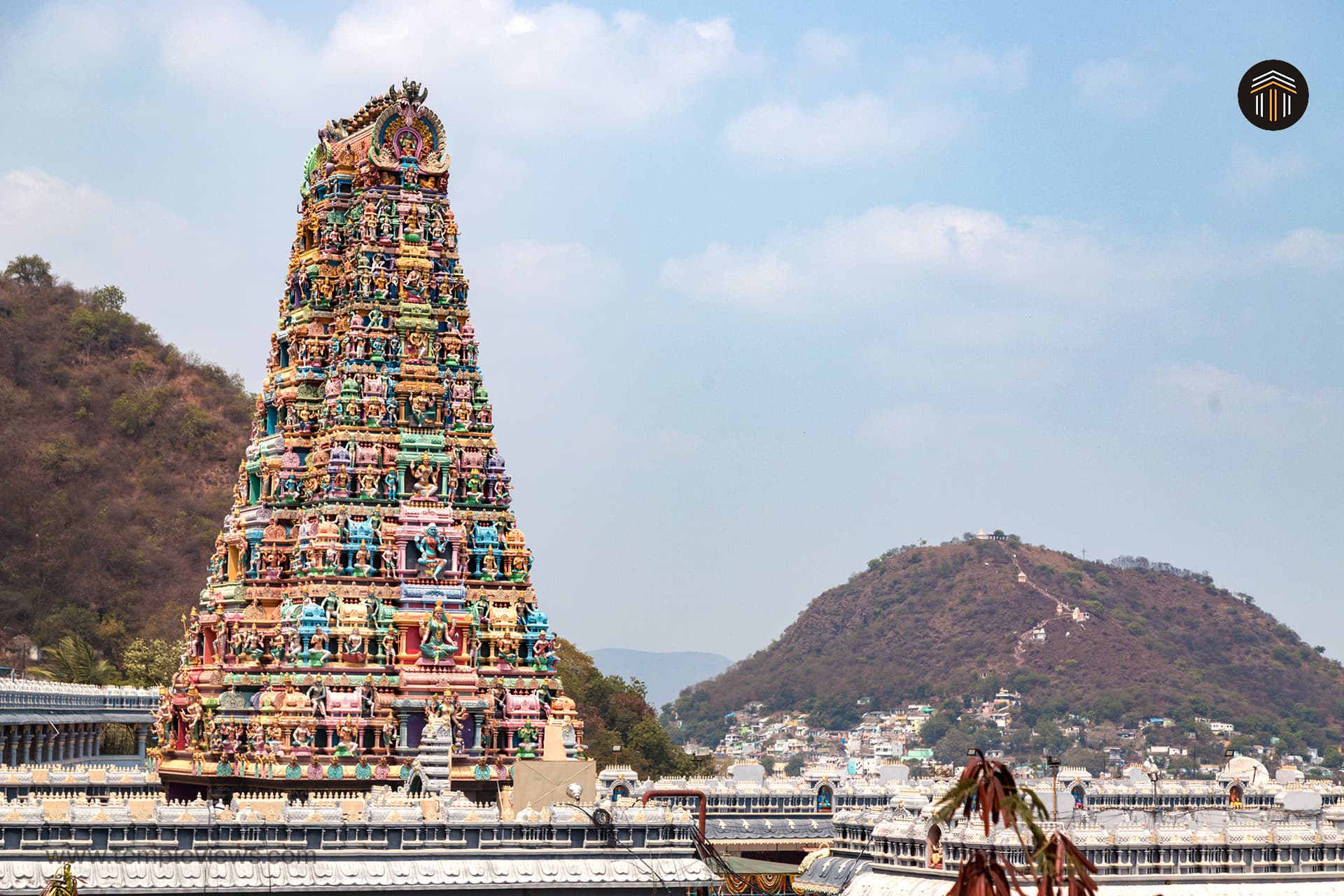
The Palani Murugan Temple, officially known as Arulmigu Dhandayuthapani Swamy Temple Palani, is one of Tamil Nadu’s most important pilgrimage destinations dedicated to Lord Murugan. Located on Sivagiri Hill in Palani, Dindigul district, the temple is revered as one of Murugan’s six sacred abodes, known as the Arupadai Veedu.
For devotees, a journey to Palani is not simply a temple visit. The hill climb, darshan of Lord Dhandayuthapani, traditional offerings, kavadi worship, festivals, and the long-standing stories associated with Siddhar Bhogar give the pilgrimage its distinctive character. The temple is administered under the Tamil Nadu Hindu Religious and Charitable Endowments Department, and the official Tamil Nadu temple platform provides information and services for devotees.
Where Is Palani Murugan Temple?
The temple is situated in Palani, Dindigul district, Tamil Nadu, India. The main shrine is located on Sivagiri Hill, while Thiru Avinankudi Temple is situated at the foothills and is also an important Murugan shrine associated with Palani.
The hilltop temple can be approached by traditional steps as well as assisted transport facilities. For elderly visitors, families with young children, and pilgrims who may find the climb difficult, checking the availability of the rope car or winch service before visiting can make the journey more comfortable.
Palani Murugan Temple History and Sacred Legend
The history of Palani combines documented temple heritage with deeply respected religious traditions.
One of the best-known stories explains why Lord Murugan Palani is worshipped in the form of Dhandayuthapani, the ascetic holding a staff. According to the traditional legend, a divine fruit of wisdom was offered to Lord Shiva’s sons, Ganesha and Murugan. Ganesha won the contest by understanding that his parents represented the whole world. Murugan, disappointed by the outcome, left Mount Kailash and came to Palani.
When Shiva and Parvati later consoled him, the expression “Pazham Nee”, meaning “You are the fruit,” became associated with the sacred hill and its name. This is a devotional legend explaining the spiritual identity of Palani rather than a historical account that can be independently verified.
Bhogar and the Navapashanam Palani Murugan Original Statue Tradition
One of the most distinctive aspects of the temple is the tradition surrounding its principal idol.
According to temple tradition, Siddhar Bhogar, one of the eighteen Siddhars of Tamil spiritual tradition, created and consecrated the Murugan idol using Navapashanam. The term is traditionally associated with a combination of nine substances described in Siddha traditions.
The belief surrounding the Navapashanam Palani Murugan original statue is an important part of the temple’s religious identity. However, descriptions of the exact composition and claims regarding medicinal effects vary between traditional and modern sources. Therefore, such claims should be understood as part of religious tradition rather than established medical or scientific fact.
A shrine associated with Bhogar is located within the temple complex. The Dindigul district administration also records the traditional belief that Bhogar created the idol and that his shrine is connected, by legend, with a subterranean cave.
Devotees can therefore appreciate the Navapashanam tradition as an important element of Palani’s religious heritage without confusing devotional belief with scientifically established evidence.
Palani Murugan Temple Timings
Temple schedules can change because of festivals, special rituals, crowd management, and administrative arrangements. Published schedules commonly place the main darshan period around 6:00 AM to 8:00 PM on ordinary days, with the ritual schedule beginning earlier and extending into the evening.
A commonly published daily pooja schedule includes:
-
Vishwaroopa Darshan: around 5:40 AM
-
Vila Pooja: around 6:50 AM
-
Sirukala Shanti Pooja: around 8:00 AM
-
Kala Shanti Pooja: around 9:00 AM
-
Uchikala Pooja: around 12:00 noon
-
Sayaratchai Pooja: around 5:30 PM
-
Rakaala Pooja: around 8:00 PM
These timings should be treated as a practical guide rather than a guarantee. Always check the latest Devasthanam Palani information before travelling, particularly if your visit falls on a major festival day.
What Is Special About Murugan Alangaram in Palani?
The daily worship of the deity follows different ritual stages, and devotees may see Murugan Alangaram in Palani change according to the day’s worship schedule.
The form of Dhandayuthapani is particularly distinctive because Lord Murugan is represented as a youthful ascetic holding a staff rather than in the more familiar warrior form seen at some other Murugan temples.
For devotees, witnessing the different alangaram arrangements can add another dimension to the pilgrimage. If you want to participate in a particular pooja or see a specific form of worship, check the day's official schedule beforehand.
Kavadi Tradition at Palani
The kavadi is one of the most recognisable devotional practices associated with Palani.
The tradition is connected with the story of Idumban, who is believed to have carried two hills suspended from a pole on the instructions of Sage Agastya. The story is traditionally regarded as the origin of the kavadi practice. Idumban is also associated with a shrine on the route up the hill.
Devotees may carry a decorated kavadi as an offering or as part of a personal vow. The practice becomes particularly prominent during major Murugan festivals.
For anyone carrying kavadi, preparation is important. The pilgrimage can involve walking, standing for long periods, and navigating crowded areas, so comfortable physical preparation and attention to hydration are practical considerations.
Major Festivals at Palani Murugan Temple
Thaipusam
Thaipusam is among the most important festivals associated with Lord Murugan. Palani receives exceptionally large numbers of devotees during major festival periods, and traditional practices such as kavadi, paal kudam, and special worship become especially visible.
Visitors planning to attend Thaipusam should expect significant crowds and should arrange transport and accommodation well in advance.
Panguni Uthiram
Panguni Uthiram is another important festival in the Tamil religious calendar and has a strong connection with Murugan worship. Special rituals, processions, and devotional activities take place during festival periods.
Because arrangements can vary from year to year, pilgrims should confirm the official festival schedule before making travel plans.
What Should You See During a Palani Pilgrimage?
A well-planned visit can include more than the main hilltop shrine.
1. Dhandayuthapani Swamy Shrine:
The main destination is the hilltop sanctum dedicated to Lord Murugan as Dhandayuthapani.
2. Bhogar Shrine:
The shrine associated with Siddhar Bhogar is an important part of the temple’s spiritual heritage.
3. Idumban Shrine:
The traditional story of Idumban is closely associated with the origin of kavadi worship.
4. Thiru Avinankudi:
Located in the foothills, this is another significant Murugan shrine associated with the Palani pilgrimage.
5. Temple Prasadam:
Palani is especially well known for its Panchamirtham prasadam, which many devotees take home after darshan.
Practical Tips for Visiting Palani
If this is your first visit, a little preparation can make the pilgrimage easier.
-
Check timings before leaving: Festival-day schedules may differ from ordinary days.
-
Start early: Morning hours can be more comfortable, particularly during warmer months.
-
Allow extra time: Crowds can increase substantially during weekends and festivals.
-
Choose your hill route carefully: Visitors can use the steps or available assisted transport options.
-
Wear suitable clothing: Choose modest, temple-appropriate clothing.
-
Carry essentials: Water, necessary medicines, and basic personal items can be useful, particularly for families and senior citizens.
-
Follow temple instructions: Photography, footwear, mobile-phone use, and access to specific areas may be subject to temple rules.
-
Plan festival visits early: Accommodation and transportation can become difficult to arrange during Thaipusam and other major celebrations.
How to Reach Palani Murugan Temple
Palani is accessible by road and rail, making it a practical pilgrimage destination from several parts of Tamil Nadu.
By train: Palani has its own railway station, providing a convenient option for pilgrims travelling by rail.
By road: Regular bus and road connections make Palani accessible from major cities and towns in Tamil Nadu. Private vehicles and taxis are also commonly used.
By air: Travellers arriving by air can use airports serving the wider region and continue to Palani by road. Travel time will depend on the airport selected and current road conditions.
For a smoother trip, consider reaching Palani a day earlier if you are visiting during a major festival rather than trying to arrive immediately before darshan.
Why Is Palani Important to Murugan Devotees?
Palani brings together mythology, Tamil devotional culture, Siddha traditions, and living temple worship. The identity of Palani Murugan as Dhandayuthapani-the ascetic who stands with his staff-gives the shrine a character that is different from many other Murugan temples.
The combination of the hill pilgrimage, kavadi tradition, Bhogar heritage, festival worship, and the long-standing religious traditions surrounding the deity makes Palani an important destination for devotees and spiritual travellers.
For visitors approaching the temple from a cultural or tourism perspective, it is equally valuable to understand which elements are historical records and which belong to sacred tradition. This distinction allows the pilgrimage to be appreciated with both respect and accuracy.
Plan Your Palani Pilgrimage With Respect and Preparation
A visit to the Arulmigu Dhandayuthapani Swamy Temple, Palani, can be meaningful for devotees, families, tourists, and anyone interested in Tamil Nadu's living temple heritage. From the hilltop shrine and traditional worship to kavadi, Thaipusam, Panguni Uthiram, and the Bhogar-Navapashanam tradition, Palani offers a pilgrimage experience shaped by centuries of religious practice.
Before travelling, check the latest Devasthanam Palani information for timings, festival arrangements and visitor services. The official Tamil Nadu HR&CE temple platform is a useful starting point for current temple information.
Frequently Asked Questions
The presiding deity is Lord Murugan, worshipped here as Dhandayuthapani Swamy, the staff-bearing ascetic form of Murugan.
The temple is particularly known for its hilltop shrine, the Dhandayuthapani form of Murugan, the Bhogar tradition, the Navapashanam idol tradition, kavadi worship, and major festivals such as Thaipusam and Panguni Uthiram.
Palani's history combines temple heritage with religious traditions. The most famous sacred accounts include Murugan's arrival after the fruit-of-wisdom episode and the traditional belief that Siddhar Bhogar created the principal idol using Navapashanam.
On ordinary days, published schedules commonly place the main darshan period around 6:00 AM to 8:00 PM, while rituals begin earlier and continue into the evening. Timings can change, so verify the current schedule before visiting.
Kavadi worship is traditionally connected with the story of Idumban, who carried two hills on a shoulder pole. Devotees continue the practice as an act of devotion and fulfilment of vows.