Temple History & Heritage
Guruvayur Shrikrishna Temple: Lord Krishna's Sacred Abode in Kerala
- Published date
- 24 Sept 2026
- Author
- TempleViews Editorial
- Category
- Temple History & Heritage
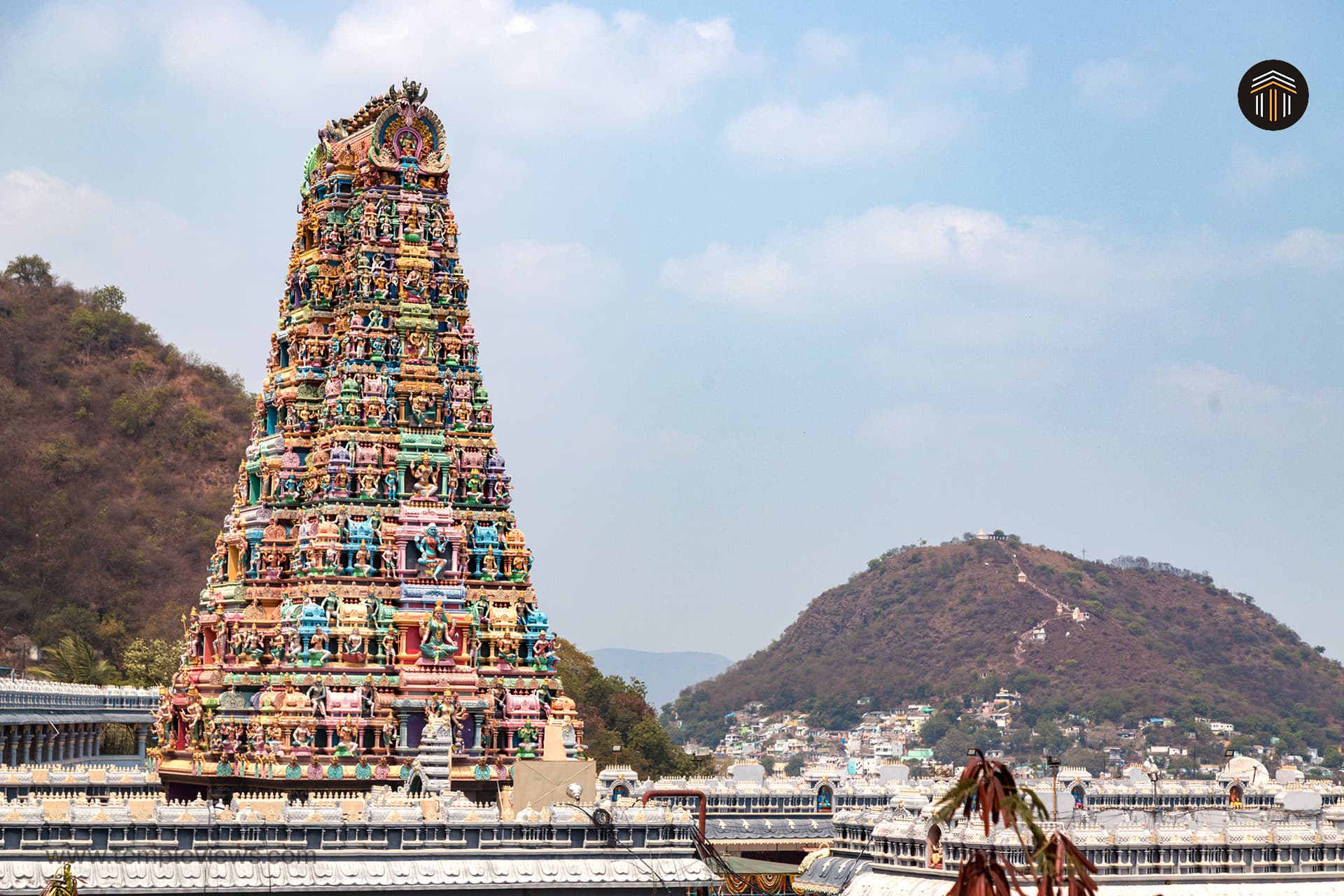
Few temples in South India draw devotees with the same quiet intensity as the Guruvayur Shrikrishna Temple. Tucked in the town of Guruvayur in Kerala's Thrissur district, this shrine is often called "Bhuloka Vaikuntham" - Vaikuntha (Vishnu's abode) on earth. For millions of devotees, a visit here isn't just tourism; it's a deeply personal pilgrimage.
A Brief History of Guruvayur Temple
The exact founding date of the Guruvayur Temple isn't documented with certainty, which is common for temples of this antiquity in Kerala. Local tradition and temple legend hold that the idol was installed by Guru (Brihaspati, preceptor of the gods) and Vayu (the wind god) - and the town's name, Guruvayur, comes from this combination of "Guru" and "Vayu."
Historical references to the temple appear in Malayalam literary works from as early as the 14th century, and its prominence grew steadily through the medieval period as Vaishnavism took firm root in Kerala. Today, the temple is administered by the Guruvayur Devaswom Board, a statutory body responsible for its upkeep and rituals.
Worth noting: as with many ancient Kerala temples, precise historical timelines are debated among scholars, and much of what's known blends recorded history with devotional tradition. If you are researching this academically, it's worth cross-referencing multiple sources.
The Presiding Deity: Guruvayurappan
The presiding deity here is worshipped as Guruvayurappan, a four-armed form of Lord Krishna representing Vishnu, holding the conch (shankha), discus (chakra), mace (gada), and lotus (padma). The idol is believed to be carved from a rare stone called Patala Anjana, and devotees consider it one of the most sacred Krishna murtis in India.
This is what makes Guruvayur distinct from many other Krishna temples: the deity is worshipped not as the playful child-Krishna alone, but as a majestic form of Vishnu himself - which is why it's classified as a Vaishnavite temple of major significance.
Why Guruvayur Matters to Devotees
A Temple of Deep Personal Faith
Ask any Malayali family about Guruvayur, and you'll likely hear a personal story - a child's first rice-feeding ceremony (Choroonu), a wedding blessing, or an annual family visit during Ekadasi. The temple is woven into everyday life in central Kerala in a way that goes beyond religious ritual.
Guruvayur Ekadasi
The Guruvayur Ekadasi festival, usually falling in November or December, is one of the temple's biggest annual events. It commemorates the day Lord Krishna is believed to have narrated the Bhagavad Gita to Uddhava. The festival draws large crowds and includes elephant processions, classical music, and dance performances (Kathakali is traditionally significant here).
The Temple Elephants
Guruvayur is also known for its association with temple elephants, historically gifted by devotees and housed at Punnathur Kotta, a few kilometers from the main shrine. These elephants play a ceremonial role in processions, particularly during festivals.
Architecture and Temple Layout
The temple follows traditional Kerala temple architecture:
-
Sanctum sanctorum (Sreekovil): Houses the main deity, with a copper-plated roof
-
Namaskara Mandapam: The pillared hall used for rituals
-
Flagstaff (Dwajastambham): A tall golden flagpost near the entrance
-
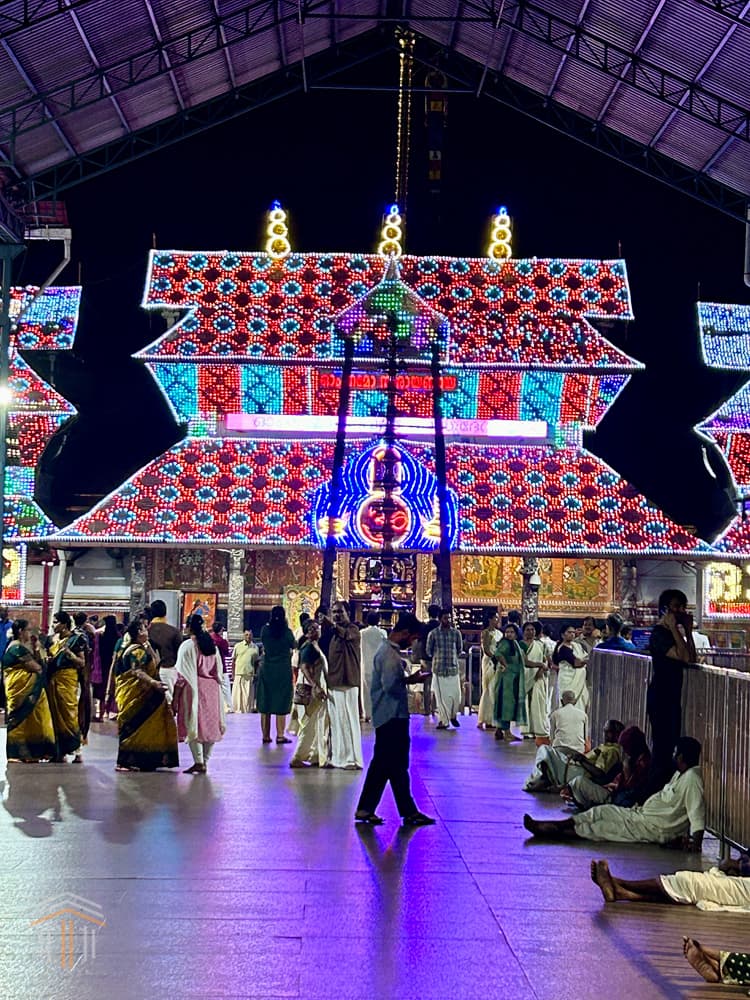
Deepastambham: Rows of oil lamps lit during evening rituals
Unlike temples built purely for grandeur, Guruvayur's architecture emphasizes ritual functionality - every structural element supports the daily worship cycle.
Visiting Guruvayur: Practical Advice
If you are planning a pilgrimage, a few things help:
-
Dress code is strictly enforced. Men typically wear a dhoti (mundu) without a shirt; women wear sarees or traditional Kerala-style dresses. This can vary slightly in enforcement, so it's worth checking current guidelines closer to your visit.
-
Entry is restricted to Hindus, a policy that has remained consistent at this temple.
-
Darshan timings span early morning to late evening with a midday break, but these change during festivals, so verify before you travel.
-
Nearest access points: Guruvayur is about 29 km from Thrissur city, and the nearest airport is Cochin International Airport (Nedumbassery).
-
Avoid peak festival crowding if you prefer a quieter darshan - weekday mornings outside festival season tend to be calmer.
Frequently Asked Questions
Lord Krishna, worshipped in the form of Guruvayurappan - a four-armed representation of Vishnu.
Tradition holds that the name comes from Guru (Brihaspati) and Vayu (the wind god), who are believed to have installed the deity.
No, entry is restricted to Hindus, a policy maintained consistently at this temple.
An annual festival marking the day Krishna is believed to have delivered the Bhagavad Gita to Uddhava, celebrated with elephant processions and cultural performances.