Temple Guides
Angkor Wat Temple Secrets: 7 Details Most Visitors Walk Right Past
- Published date
- 22 Oct 2026
- Author
- The Temple Pilgrim
- Category
- Temple Guides
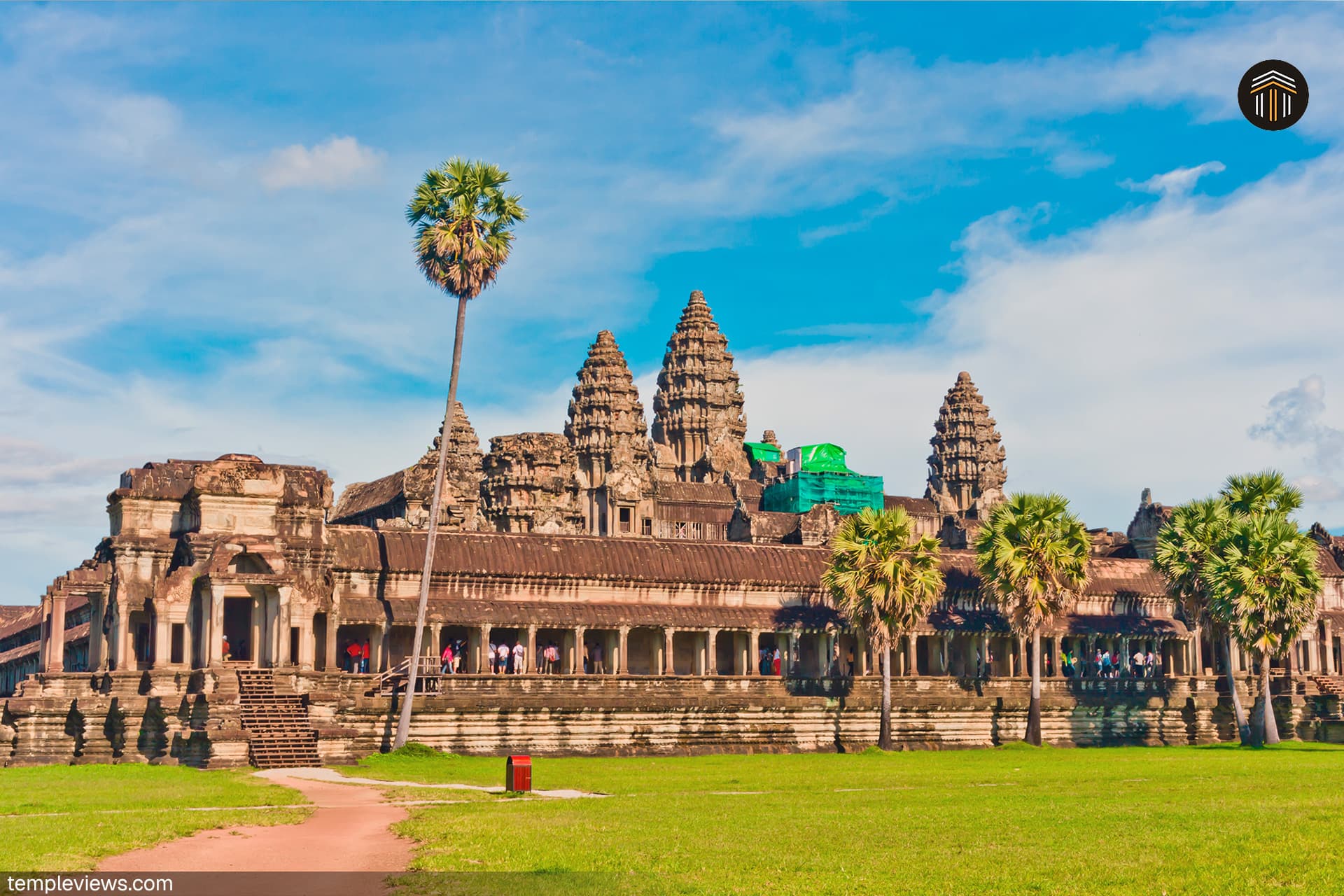
Angkor Wat Cambodia, draws millions of visitors, yet most people spend their time at the front gate taking sunrise photos and leave without noticing what makes the temple remarkable. These Angkor Wat temple secrets are hiding in plain sight, in the carvings, the layout, and the direction the temple faces.
Angkor Wat at a Glance
-
Temple name: Angkor Wat
-
Location: Siem Reap, Siem Reap Province, Cambodia
-
Presiding deity: Lord Vishnu
-
Built: Early 12th century, under King Suryavarman II
-
Status: UNESCO World Heritage Site (inscribed 1992)
-
Style: Khmer architecture
A Quick Look at Angkor Wat History
Angkor Wat history begins in the early 1100s, when Suryavarman II built it as a state temple of the Khmer Empire. It was dedicated to Lord Vishnu, which makes it a Hindu temple. Over the following centuries, it became a Theravada Buddhist site, and it is still an active place of worship, with monks and pilgrims visiting today.
Scholars also generally believe the temple served as the king’s funerary monument, though interpretations vary.
7 Angkor Wat Temple Secrets Most Visitors Miss
1. The Temple Faces West
Most Hindu temples face east. Angkor Wat faces west, a direction linked with Vishnu and, according to many scholars, with death and the afterlife. This is why the classic view from the western causeway is the one you see in every photo. Angkor Wat sunrise photos show the sun rising behind the towers for the same reason.
2. The Layout Is a Map of Mount Meru
The central tower represents Mount Meru, the mythical home of the gods in Hindu cosmology. The surrounding galleries stand for mountain ranges, and the wide moat represents the cosmic ocean. Walking in, you are moving through a model of the universe.
3. The Apsaras All Look Different
Apsara carvings at Angkor Wat are among the best-known details. Look closely at the celestial dancers, and you will see that hairstyles, jewelry, and expressions differ from figure to figure. Counts vary by source, but the temple is commonly said to hold well over a thousand of them. Take a slow walk along the walls instead of rushing to the central tower.
4. The Churning of the Sea of Milk
The east gallery has a famous bas-relief of the Churning of the Sea of Milk. Gods and demons pull a serpent back and forth to churn the ocean and release the nectar of immortality, with Vishnu at the center. The panel is long, so give it time. Guides usually point out the tug-of-war pose and the sea creatures carved beneath the figures.
5. Heaven and Hell Carved on the Wall
The south gallery shows scenes of judgment, with rewards for the virtuous and punishments for the wicked. Many visitors pass quickly because the panel is crowded and the light is dim. A local guide can help you read the sequence.
6. You Read the Reliefs Counterclockwise
Visitors usually walk through the galleries clockwise, but the main reliefs are traditionally read counterclockwise. This is the opposite of the usual circumambulation in Hindu rituals, and some scholars link it to the temple’s funerary role. Treat this as an interpretation, not a settled fact.
7. Later Layers Are Part of the Story
Angkor Wat did not stay a single-faith monument. You can find Buddha statues added in later centuries, and in the northern part of the temple there are inscriptions left by visitors from Japan in the 17th century. They show how long the site has been a place of pilgrimage.
Best Time to See Angkor Wat Sunrise
Sunrise is the most popular time, and it is crowded. Arrive early, around 5:00 AM, to find a spot. Many people photograph the reflection in the pond, though the pond area can be very busy.
Practical tips:
-
Go in the dry season (roughly November to March) for clearer skies and cooler weather. Dates vary by year.
-
Visit again in the afternoon when the galleries are quieter, and the light is soft.
-
Hire a guide for the reliefs. Without one, the carved stories are hard to follow.
Visiting Angkor Wat: Practical Information
-
Tickets: Angkor Wat is part of the Angkor Archaeological Park, which uses a pass system (1-day, 3-day and 7-day options). Prices and rules change, so check the official Angkor Enterprise website before you travel.
-
Dress code: Cover shoulders and knees. Staff may refuse entry otherwise. Carry a light scarf.
-
Opening hours: Usually from early morning to evening, but hours can change. Confirm locally.
-
Etiquette: Dress modestly, stay quiet near monks and shrines, and don’t touch the carvings.
Things to Do in Siem Reap Beyond Angkor Wat
If you have a few days, these are good additions to your Siem Reap plan:
-
Bayon Temple in Angkor Thom, known for its many stone faces
-
Ta Prohm, where tree roots grow over the ruins
-
Banteay Srei, famous for its fine carving
-
Tonle Sap Lake, for a different view of local life
Bayon, Ta Prohm, and Banteay Srei are all covered by the Angkor Archaeological Park pass, and many travelers see them within a three-day pass. Tonle Sap Lake is a separate trip with its own tour fee. These are some of the most popular things to do in Siem Reap, and you can find more temple guides on Templeviews.
Final Thoughts
The best way to experience Angkor Wat is to go slowly: read the reliefs, notice the faces of the apsaras, and think about why the temple was oriented the way it was. Visit once for the sunrise, then again when it’s quiet.
Details such as ticket prices, hours, and exact carving counts can change or vary by source, so verify them with the Apsara National Authority or the official Angkor ticketing site before you travel.
Frequently Asked Questions
Angkor Wat was built for Lord Vishnu. Today it is also an active Buddhist site.
It is in Siem Reap Province, Cambodia, about 5 to 6 km north of Siem Reap town.
Allow 2 to 3 hours for the main temple, longer if you want to read the bas-reliefs. A full visit to the Angkor complex usually takes 2 to 3 days.
It was built as a Hindu temple and gradually became Buddhist. Both traditions are visible there.