
18°C
Amritsar
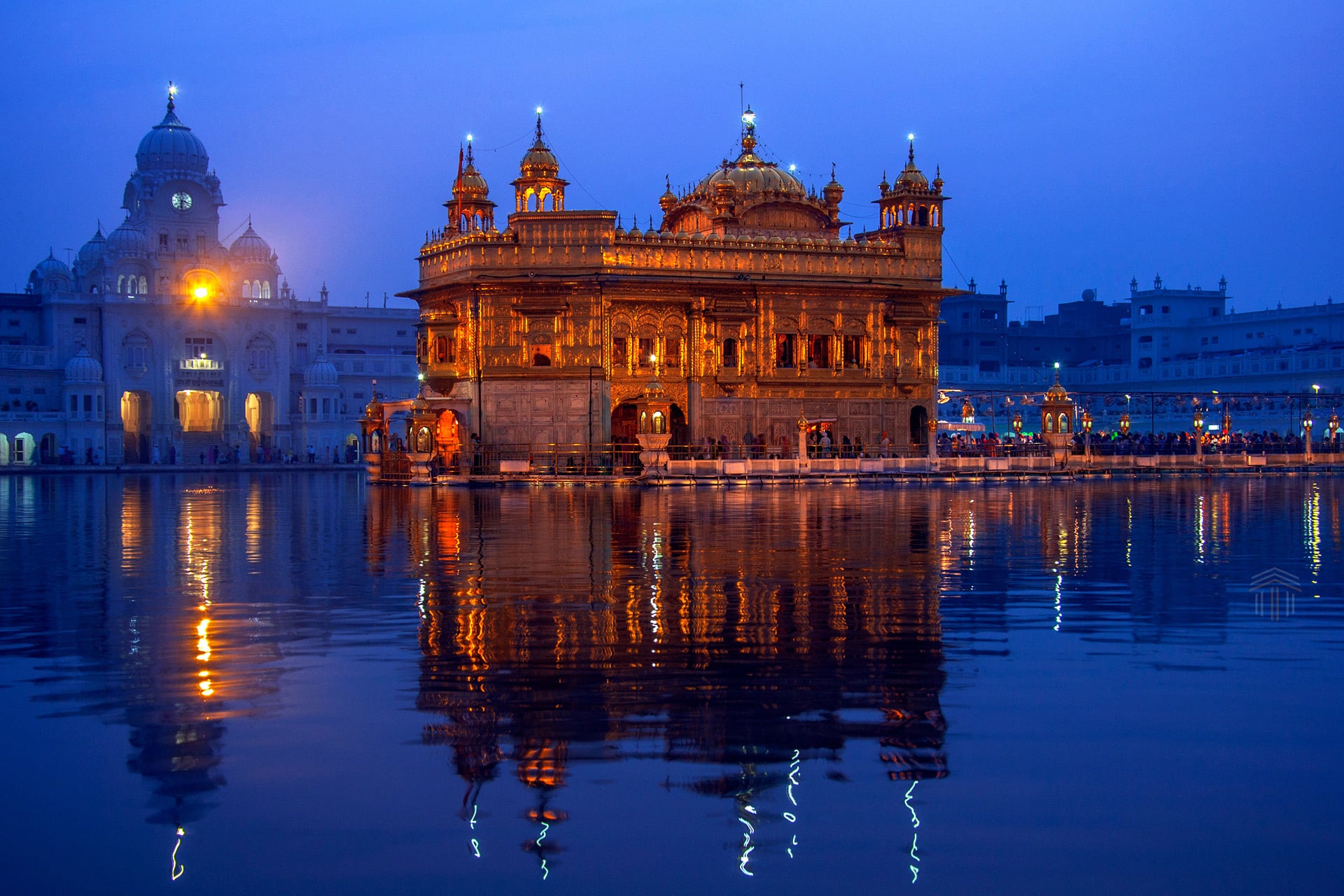
Golden Temple
 Amritsar, Punjab, India
The Golden Temple in Amritsar, Punjab, is Sikhism's holiest shrine, celebrated for its stunning architecture, sacred traditions, community kitchen, and message of equality and universal brotherhood.
- ReligionSikhism
- DeityGuru Granth Sahib (Holy Scripture of Sikhism)
- TimingsOpen 24 hours
About the temple
About the temple
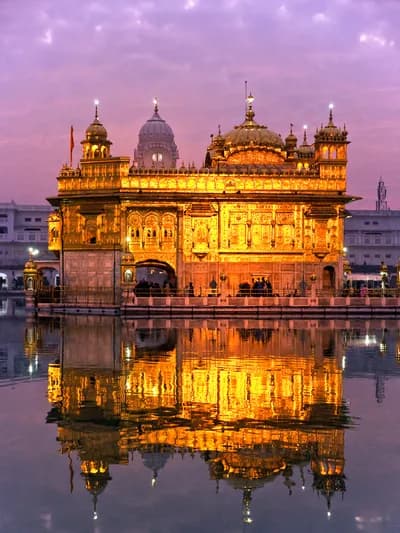
The Golden Temple, also known as Harmandir Sahib, is the holiest shrine in Sikhism, located in Amritsar, Punjab. Adorned with gold-plated architecture and surrounded by a sacred water tank (Amrit Sarovar), it symbolizes spiritual solace, equality, and humility. It is not only a place of deep religious significance for Sikhs but also a beacon of communal harmony, offering free meals to thousands daily through its world-renowned langar.
Golden Temple
Golden Temple
The Living Legacy of Golden Temple in Numbers
Explore the timeless grandeur of the Golden Temple - the spiritual heart of Sikhism, symbolizing equality, devotion, and selfless service. With its golden dome, sacred pool, and welcoming doors from all sides, the temple continues to inspire millions of devotees worldwide.
- Age since the foundation stone was laid by Guru Arjan Dev Ji in 1581 CE
- 400+ years
- Amount of pure gold used to plate the temple's dome and upper floors
- 750 kg
- Number of entrances symbolizing openness and acceptance of all faiths
- 4
- Average number of visitors and pilgrims every week
- 1000000+
- Number of people served daily in the temple's free community kitchen (Langar)
- 120000+
- Approximate area of the entire Golden Temple complex, including the Amrit Sarovar
- 40 acres
- Length of the marble causeway and parikrama (circumambulatory path) around the sacred pool
- 5 km
Age since the foundation stone was laid by Guru Arjan Dev Ji in 1581 CE
Amount of pure gold used to plate the temple's dome and upper floors
Number of entrances symbolizing openness and acceptance of all faiths
Average number of visitors and pilgrims every week
Number of people served daily in the temple's free community kitchen (Langar)
Approximate area of the entire Golden Temple complex, including the Amrit Sarovar
Length of the marble causeway and parikrama (circumambulatory path) around the sacred pool
Historical Background
The Golden Temple, also known as Harmandir Sahib or Darbar Sahib, is the holiest shrine in Sikhism, located in Amritsar, Punjab. Founded by Guru Ram Das Ji and completed by Guru Arjan Dev Ji in the 16th century, the temple enshrines the Guru Granth Sahib, the eternal Guru of the Sikhs. Its stunning gold-covered sanctum and serene Amrit Sarovar (holy tank) attract millions of devotees and tourists each year. More than just a religious site, the Golden Temple represents universal brotherhood, spiritual equality, and selfless service (sewa). The temple’s four entrances signify openness to all communities, while its langar (community kitchen) serves free meals to tens of thousands daily, regardless of caste, creed, or background. Architecturally magnificent and spiritually profound, the Golden Temple stands as a living embodiment of Sikh values, a hub of devotion, culture, and compassion, and a timeless beacon of peace and inclusivity.
1479-1574 CE
1479-1574 CE
Guru Amar Das Ji envisions a central place of worship for Sikhs and identifies the site near the village of Tung.1574 CE
1574 CE
Guru Ram Das Ji begins excavation of the Amrit Sarovar (holy tank) and establishes the foundations for the future city of Amritsar.1581-1604 CE
1581-1604 CE
Guru Arjan Dev Ji oversees the construction of the Harmandir Sahib with four entrances symbolizing openness, and invites Sufi saint Hazrat Mian Mir to lay the foundation stone. The Adi Granth is completed and installed in 1604.1604 CE
1604 CE
The Golden Temple is formally established as the supreme Sikh shrine with Baba Buddha Ji appointed as the first granthi.17th-18th Century CE
17th-18th Century CE
The temple suffers repeated attacks and destruction by Mughal and Afghan invaders but is rebuilt each time by the Sikh community.1764 CE
1764 CE
The Bhangi Misl Sikh confederacy initiates major restoration efforts after years of turmoil.1802-1830s CE
1802-1830s CE
Maharaja Ranjit Singh commissions gold plating and marble embellishments, transforming the temple into the iconic Golden Temple, and builds the Akal Takht nearby.1858-1947 CE
1858-1947 CE
Under British rule, the Golden Temple remains a center of Sikh identity and resistance, witnessing nationalist and reformist activities.1919 CE
1919 CE
Following the Jallianwala Bagh massacre near the temple, the complex becomes a hub for political and social activism.1947 CE
1947 CE
Post-Partition, the Golden Temple gains increased importance for Sikhs in independent India as many gurdwaras are lost in Pakistan.1984 CE
1984 CE
Operation Blue Star leads to significant damage of the temple complex during a military operation to flush out militants.1984-1986 CE
1984-1986 CE
Extensive reconstruction and restoration of the Golden Temple and Akal Takht are carried out by Sikh organizations.2000s-Present Day
2000s-Present Day
The Golden Temple continues as the spiritual, cultural, and humanitarian heart of Sikhism, drawing millions of visitors annually and symbolizing peace, equality, and service.


Synopsis
The Golden Temple, also known as Harmandir Sahib or Darbar Sahib, is the holiest shrine in Sikhism, located in Amritsar, Punjab. Founded by Guru Ram Das Ji and completed by Guru Arjan Dev Ji in the 16th century, the temple enshrines the Guru Granth Sahib, the eternal Guru of the Sikhs. Its stunning gold-covered sanctum and serene Amrit Sarovar (holy tank) attract millions of devotees and tourists each year. More than just a religious site, the Golden Temple represents universal brotherhood, spiritual equality, and selfless service (sewa). The temple’s four entrances signify openness to all communities, while its langar (community kitchen) serves free meals to tens of thousands daily, regardless of caste, creed, or background. Architecturally magnificent and spiritually profound, the Golden Temple stands as a living embodiment of Sikh values, a hub of devotion, culture, and compassion, and a timeless beacon of peace and inclusivity.
The origins of the Golden Temple (Harmandir Sahib) are deeply connected to the Sikh Gurus' vision of a universal place of worship accessible to all. The third Sikh Guru, Guru Amar Das Ji, identified a site near the village of Tung and laid the spiritual foundation for the sacred tank called Amrit Sarovar, around which the city of Amritsar later developed. This early phase reflects the Sikh emphasis on humility, equality, and devotion, setting the stage for the establishment of the temple complex.
Under the guidance of the fifth Sikh Guru, Guru Arjan Dev Ji, the construction of the Harmandir Sahib was initiated in the late 16th century. Uniquely designed with four entrances symbolizing openness to all people, the temple broke from conventional architectural norms. Guru Arjan Dev Ji invited the revered Muslim Sufi saint Hazrat Mian Mir to lay the foundation stone, exemplifying the spirit of interfaith harmony. In 1604, Guru Arjan Dev Ji installed the Adi Granth-the sacred Sikh scripture-within the sanctum, formalizing the Golden Temple as the spiritual heart of Sikhism.
Throughout the 17th and 18th centuries, the Golden Temple faced multiple attacks and destructions at the hands of Mughal and Afghan invaders. Despite repeated devastation, the Sikh community's resilience led to its continuous restoration and rebuilding. These turbulent times underscored the temple's symbolic role as a beacon of Sikh identity, sacrifice, and perseverance.
The early 19th century marked a golden era under Maharaja Ranjit Singh, who generously funded the gold plating of the temple and enriched its marble architecture with intricate inlay work. His patronage transformed the Harmandir Sahib into the iconic Golden Temple, blending artistic grandeur with profound spiritual significance. The establishment of the nearby Akal Takht during this period further reinforced the temple's role as both a religious and temporal center for Sikhs.
The 20th century brought new challenges and transformations. The Golden Temple remained a focal point of Sikh religious, cultural, and political life during British colonial rule and after India's independence in 1947. The tragic events of Operation Blue Star in 1984, when the Indian Army entered the temple complex to flush out militants, resulted in damage to the temple and deep scars within the Sikh community. Following this, extensive restoration efforts revived the temple's spiritual and cultural vitality, reaffirming its status as a global symbol of peace, equality, and devotion.
Sacred significance
Holiest Shrine in Sikhism
The Golden Temple is the supreme spiritual center of the Sikh religion. It enshrines the Guru Granth Sahib, regarded as the eternal Guru, and serves as the highest place of pilgrimage for Sikhs worldwide. It symbolizes divine presence and the Sikh ideals of equality, humility, and devotion.
Universal Access to the Divine
Built with four entrances on all sides, the temple symbolizes openness to all people regardless of religion, caste, creed, or gender. It reflects the Sikh principle of "Sarbat da Bhala" - the welfare of all - showcasing inclusivity and spiritual egalitarianism.
Rituals and Daily Practices
Devotional practices such as Parkash (installation) of the Guru Granth Sahib at dawn, Kirtan (devotional music), Ardas (prayers), and Sukhasan (resting the Guru) at night are performed daily. These rituals enhance the devotee's spiritual journey and maintain a disciplined, meditative atmosphere.
Sacred Amrit Sarovar (Holy Tank)
The temple complex is surrounded by the Amrit Sarovar, or the Pool of Nectar. Pilgrims bathe in its waters seeking spiritual purification and healing. The Sarovar is considered sacred and is believed to possess curative powers for both body and soul.
Architecture
The Golden Temple's architecture is a harmonious blend of Sikh, Mughal, and Rajput styles, symbolizing spiritual openness and unity. Its most striking feature is the gilded sanctum, richly decorated with intricate marble inlay, floral motifs, and calligraphy from the Guru Granth Sahib. Built around the sacred Amrit Sarovar (holy pool), the temple's four entrances welcome people of all faiths, reflecting Sikhism's core values of equality and inclusiveness. The lotus-shaped golden dome represents purity and humility, while the surrounding marble pathways and the iconic causeway create a serene and sacred atmosphere for devotees.
Sanctum
The Golden Sanctum (Harmandir Sahib)
The sanctum of the Golden Temple is a stunning two-story marble structure with its upper level covered in pure gold leaf, giving it the iconic golden shimmer. The sanctum stands in the middle of the sacred Amrit Sarovar (holy tank) and is accessible by a causeway. Its design combines Indo-Islamic Mughal and Sikh architectural styles, with intricate floral patterns, inlay work of precious stones, and beautifully carved marble panels that reflect spiritual harmony and artistic excellence.
Holy Tank
Amrit Sarovar (Pool of Nectar)
Surrounding the Golden Temple is the large rectangular pool known as the Amrit Sarovar, filled with holy water believed to have healing powers. Devotees take a ritual bath or perform ablutions here before entering the temple. The tank symbolizes purity and spiritual cleansing, offering a serene and reflective atmosphere that enhances the sanctity of the temple complex.
Causeway
The Bridge of Access
A narrow marble causeway connects the Golden Temple to the surrounding walkway, symbolizing the spiritual path from the temporal world into the divine presence. This bridge invites devotees from all directions, emphasizing the Sikh principle of openness and accessibility to all.
Dome
The Golden Dome
The temple's gilded dome is shaped like an inverted lotus flower, representing the Sikh ideal of humility and detachment from worldly desires. The lotus motif is a recurring theme, symbolizing purity and spiritual awakening rising above murky waters of materialism.
Akal Takht
The Throne of the Timeless One
Located opposite the Golden Temple, the Akal Takht is the highest temporal authority in Sikhism. Built in the 1600s, it features traditional Sikh architecture with a flat roof, large balconies, and frescoes. It serves as the seat of Sikh governance and justice, blending religious and political symbolism.
Marble Work
Intricate Marble Inlay
The lower sections of the temple walls and the surrounding causeway are adorned with exquisite marble panels inlaid with pietra dura floral motifs, precious stones, and calligraphy. This decorative work reflects Mughal artistry while maintaining Sikh symbolism and spiritual motifs.
Entrance Gates
The Four Gates
The Golden Temple has four entrances, one on each side of the complex, welcoming devotees from all directions and symbolizing the Sikh teaching of universal acceptance and openness. Each gate is beautifully decorated with Sikh symbols and inscriptions from the Guru Granth Sahib.
Parikrama
Circumambulatory Pathway
Surrounding the Amrit Sarovar is a marble walkway called the parikrama, where devotees perform pradakshina (circumambulation) as an act of devotion and meditation. This path is lined with pillars and arches, creating a rhythmic spiritual journey around the temple.
Langar Hall
The Community Kitchen
Adjacent to the temple complex is the vast langar hall, where free meals are served to thousands daily, regardless of caste, creed, or religion. Architecturally simple but vast, the hall embodies the Sikh principle of selfless service (sewa) and communal equality.
Interesting facts

The official name of the Golden Temple is Harmandir Sahib, meaning “The Temple of God.” The name reflects the Sikh belief that the temple is a spiritual center open to all people, symbolizing equality, peace, and divine presence.
Deities & Shrines
The Eternal Guru
Unlike traditional temples that worship idols, the Golden Temple houses the Guru Granth Sahib, the holy scripture of Sikhism, which is revered as the living Guru. It contains hymns and teachings of Sikh Gurus and other saints, emphasizing devotion to one God, equality, and spiritual wisdom.
Memorial Shrine of Baba Deep Singh
The temple complex includes a memorial dedicated to Baba Deep Singh, a revered Sikh warrior and martyr who sacrificed his life defending the faith. He symbolizes courage, sacrifice, and unwavering devotion to Sikh principles.
Tribute to Bhai Mardana
Near the Golden Temple, there is a memorial honoring Bhai Mardana, the lifelong companion and musician of Guru Nanak Dev Ji. His contribution to Sikh devotional music highlights the importance of music and harmony in Sikh worship.
Memorial for Sant Jarnail Singh Bhindranwale
Within the complex, there is a memorial dedicated to Sant Jarnail Singh Bhindranwale, a prominent Sikh leader and advocate for Sikh rights. His life and legacy are remembered by many devotees for his role in Sikh history.
Darshan & Service Offerings
| Service | Timing | Price | Notes |
|---|---|---|---|
| Akhand Path Sahib | Continuous, usually spans 48 hours | Donations accepted, no fixed price | Akhand Path Sahib is the uninterrupted, continuous reading of the entire Guru Granth Sahib from start to finish. It is performed to seek divine blessings for health, prosperity, and peace. Devotees often sponsor this sacred ritual on special occasions or in times of need. |
| Sehaj Path Sahib | Flexible, typically completed over several days | Donations accepted | Sehaj Path Sahib is a non-continuous, leisurely reading of the Guru Granth Sahib. This special worship allows devotees to recite scriptures at their own pace, seeking spiritual solace and fulfillment of personal vows. |
| Karah Prasad Offering | Available throughout the day | Voluntary donations | Devotees offer Karah Prasad (a sacred sweet made of wheat, sugar, and ghee) as a token of gratitude and devotion. Receiving and sharing the prasad symbolizes unity and divine blessings. |
| Chaur Seva | Conducted during daily ceremonies | Voluntary participation | Chaur Seva involves waving a ceremonial whisk (chaur) over the Guru Granth Sahib as a mark of respect and reverence. It is a symbolic act performed by devotees or appointed sevadars during scripture recitations. |
| General Darshan | 4:00 AM - 11:00 PM (Continuous) | Free | General Darshan at the Golden Temple is open to all visitors at no cost. Devotees can enter and offer prayers or attend kirtan at any time during the temple's long operational hours. However, large crowds during festivals may lead to longer waiting times. |
| Special/Sarovar View Darshan | 6:00 AM - 9:00 AM & 4:00 PM - 7:00 PM | Paid, approx. ₹200-₹500 (varies) | This ticket allows devotees closer access to the sanctum and the holy Sarovar (pool) for an enhanced darshan experience. It often includes priority entry during peak hours and special seating arrangements. |
| VIP/Sewa Darshan | Pre-booked slots throughout the day | Paid, higher tier (₹1000+) | Available for pilgrims seeking a more personalized and hassle-free darshan experience, VIP tickets provide guided access, limited crowd exposure, and additional services such as assistance during rituals. |
| Langar Entry Pass | 6:00 AM - 9:00 PM | Free | Though darshan and langar are free, devotees can register to participate in the community kitchen (Langar) service or meals, ensuring an organized flow during peak times. |
Visitor information
Location
The Golden Temple, also known as Harmandir Sahib, is located in Amritsar, Punjab, India. It is situated in the heart of the city and is easily accessible from Amritsar Junction Railway Station, just about 2 km away. The nearest major airport is Sri Guru Ram Dass Jee International Airport, located approximately 13 km from the temple.
Transportation Options
The Golden Temple is well connected by road, rail, and air. Visitors can reach Amritsar by train or flight and then take local buses, taxis, or auto-rickshaws to the temple. Amritsar has good connectivity to major Indian cities and neighboring countries.
Ideal Visiting Period
The best time to visit the Golden Temple is between October and March when the weather is pleasant. Major Sikh festivals like Vaisakhi (April) and Gurpurabs draw huge crowds but offer a unique cultural experience.
Rules for Devotees and Tourists
Visitors are required to cover their heads, remove shoes, and wash their feet before entering the temple complex. Photography is restricted inside the sanctum. Maintaining silence and respect for ongoing prayers and rituals is expected.
Amenities for Visitors
The temple complex offers clean drinking water, restrooms, accommodation (dormitories and guest houses), and a large community kitchen (Langar) serving free meals to all visitors, regardless of religion or background.
Location
Amritsar, Punjab, India
Best Time to Visit
Best Time to Visit the Golden Temple
The ideal time to visit the Golden Temple is from October to March, when the weather in Amritsar is cool and pleasant. This makes walking around the complex and sitting for prayers more comfortable, especially during early mornings and late evenings.
Visit During Sikh Festivals
The temple is especially vibrant during major Sikh festivals such as Guru Nanak Jayanti (November), Baisakhi (April), and Diwali (October-November). These occasions feature illuminated decorations, extended prayers, and a festive atmosphere with special kirtans and langar arrangements.
Early Morning (Amrit Vela) Visit
Visiting the temple during Amrit Vela (3:00 AM - 6:00 AM) offers a deeply spiritual experience. The Prakash ceremony (opening of the Guru Granth Sahib) and early morning kirtans provide a serene and soulful environment, ideal for meditation and prayer.
Peaceful Weekday Visits
For a quieter and more reflective visit, weekdays (Tuesday to Thursday) are ideal. The temple sees fewer crowds compared to weekends and holidays, allowing more personal time for darshan and a peaceful walk around the Sarovar.
Nearby places
Durgiana Temple
1.5 km
- Often called the "Silver Temple" due to its intricately carved silver doors, this temple is dedicated to Goddess Durga. It shares architectural similarities with the Golden Temple and is a prominent Hindu pilgrimage site in Amritsar.
Ram Tirath Temple
12 km
- Believed to be the birthplace of Lord Rama's sons, Luv and Kush, this ancient temple is associated with sage Valmiki. The site features a hut where Sita is said to have stayed and a sacred tank for ritual bathing.
Mata Lal Devi Temple
2.5 km
- A unique temple dedicated to female saint Lal Devi, it is known for its colorful interiors and narrow cave-like passages. Devotees believe a visit here fulfills wishes related to fertility and childbirth.
Festivals & culture
The Golden Temple hosts a variety of vibrant Sikh festivals that reflect the community's spiritual devotion and historical legacy. Major events include Gurpurabs (celebrating the birth anniversaries of Sikh Gurus), Baisakhi (the founding of the Khalsa), and Diwali, known in Sikh tradition as Bandi Chhor Divas. These festivals feature Akhand Path, kirtan, processions, and langar (community meals), attracting thousands of devotees. The temple is beautifully illuminated during such occasions, transforming the sacred complex into a divine spectacle of light, music, and unity.
Gurpurab (Guru Nanak Jayanti)
October-November (Kartik)
Commemorates the birth anniversary of Guru Nanak Dev Ji, the founder of Sikhism. Celebrations include Akhand Path (continuous reading of Guru Granth Sahib), kirtan, processions, and langar.
Baisakhi
April
Marks the Sikh New Year and the founding of the Khalsa in 1699 by Guru Gobind Singh Ji. Devotees gather at the Golden Temple for special prayers, kirtans, and community feasting.
Diwali (Bandi Chhor Divas)
October-November (Kartik)
Celebrates the release of Guru Hargobind Ji and 52 other kings from Mughal captivity. The Golden Temple is lit up with lamps, fireworks, and festive decorations.
Additional information
Daily Opening Hours
The Golden Temple is open 24 hours a day, welcoming devotees and visitors at all times. Early morning and late night hours offer a serene experience with continuous prayer sessions.
Modest and Respectful Attire
Visitors are required to dress modestly, covering their heads with scarves or turbans, which are available at the entrance if needed. Shoes must be removed before entering the temple complex.
No Footwear Allowed Inside
Shoes and socks must be removed before entering the temple premises. There are designated shoe storage areas outside the complex where visitors can safely leave their footwear.
Secure Storage for Belongings
Cloak rooms are available near the entrance for visitors to store bags and other belongings, ensuring a comfortable and uncluttered visit.
Assistance for Lost Items
A Lost & Found service is managed by temple authorities, helping visitors retrieve misplaced belongings within the temple premises.
Security and Safety
On-site police presence ensures the safety of all visitors and maintains order, especially during large gatherings and festivals.
Visitor Assistance Helpline
A dedicated helpline is available for queries related to darshan timings, services, and emergencies within the temple complex.
First Aid and Emergency Care
Basic medical facilities and first aid are available at the temple premises to assist visitors in case of minor health issues or emergencies.
Official Temple Guides
Trained guides are available for hire to provide detailed tours of the temple, explaining its history, architecture, and spiritual significance.
Management and Administration
The Golden Temple is managed by the Shiromani Gurdwara Parbandhak Committee (SGPC), responsible for maintenance, rituals, and community services.
Multilingual Support
Information and guidance are available in multiple languages, including Punjabi, Hindi, English, and others, to accommodate diverse visitors.
Clean and Hygienic Amenities
Well-maintained restrooms and wash areas are provided within the temple complex for visitor convenience.
Photography Guidelines
Photography is allowed in certain areas of the temple complex, but visitors must adhere to guidelines and restrictions, especially inside the sanctum.
Contributions and Offerings
Several donation counters are available for devotees wishing to contribute to the temple's maintenance and charitable activities.
Free Community Kitchen
The temple operates a large-scale langar (free kitchen) serving meals to thousands of visitors daily as part of its commitment to equality and community service.
Temple facilities
Rest Areas
Seating areas and rest zones are provided for devotees to relax during their visit, especially during peak pilgrimage hours.
Drinking Water Stations
Clean and safe drinking water stations are available throughout the temple complex to keep visitors hydrated.
Accessibility for Differently-Abled
Wheelchairs and ramps are provided to ensure easy access for elderly and differently-abled devotees.
Storage for Belongings
Cloak rooms are available where devotees can securely store their bags and valuables during temple visits.
Sanitation Facilities
Clean and well-maintained restrooms are located within the temple premises for visitor convenience.
Help Desks and Information Centers
Help desks staffed with knowledgeable personnel assist devotees with queries related to darshan, poojas, and temple services.
Medical Assistance
Basic first aid services are available within the temple complex to address minor medical emergencies.
Langar (Community Kitchen)
The temple offers free meals (langar) to all visitors, serving traditional vegetarian food as part of its charitable services.
Vehicle Parking
Dedicated parking spaces are available for both four-wheelers and two-wheelers near the temple entrance for visitor convenience.
Internet Connectivity
Free Wi-Fi service is provided in designated areas of the temple to assist devotees in accessing information online.
Lost Item Assistance
The temple maintains a lost and found office to help visitors recover lost belongings.
Emergency services
Guru Nanak Dev Hospital
1.5 km
Contact
+91 172 270 1234
- Multi-specialty government hospital providing emergency, outpatient, and inpatient services
Fortis Hospital Mohali
8 km
Contact
+91 172 463 2222
- Private hospital with advanced medical facilities including cardiology, orthopedics, and maternity care
Government Civil Hospital Amritsar
3 km
Contact
+91 183 255 1234
- Public hospital offering comprehensive medical care with emergency and specialty departments
Bebe Nanki Mother & Child Care Hospital
2 km
Contact
+91 183 222 1122
- Specialized hospital focusing on maternity, pediatric, and neonatal care services
Top picks
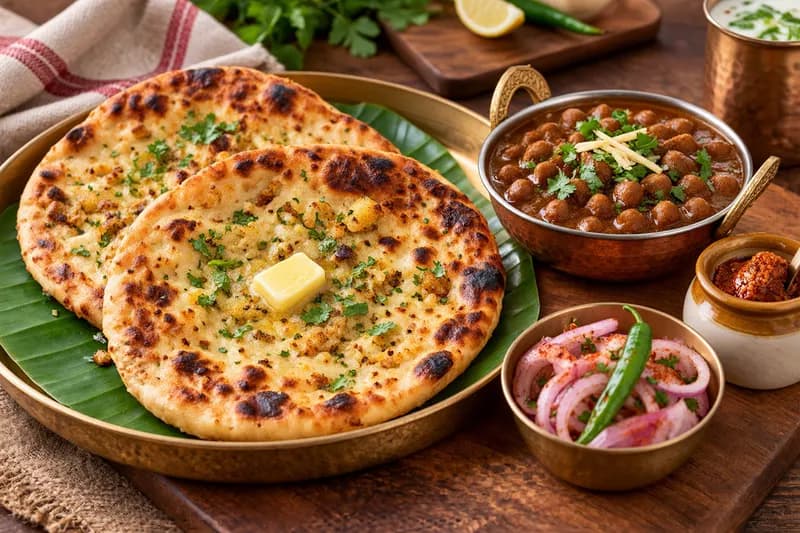
Amritsari Kulcha
Iconic Punjabi dish famous for its crispy texture and rich flavors, widely enjoyed by locals and tourists alike.

Langar Prasad (Guru Ka Langar)
Community kitchen offering free meals to thousands daily, representing equality and service; a must-experience for visitors.

Amritsari Fish
A popular non-vegetarian delicacy, known for its crispy exterior and flavorful taste, served in many local restaurants.
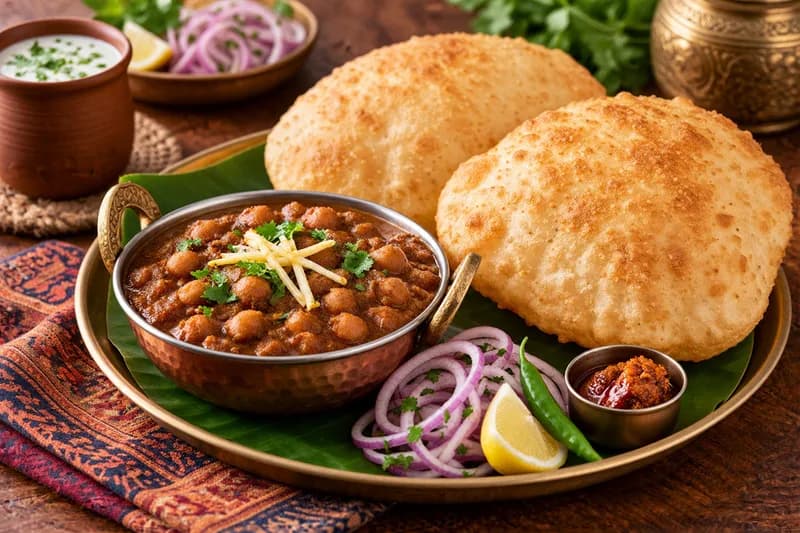
Chole Bhature
A beloved Punjabi breakfast or snack option, rich, spicy, and filling.
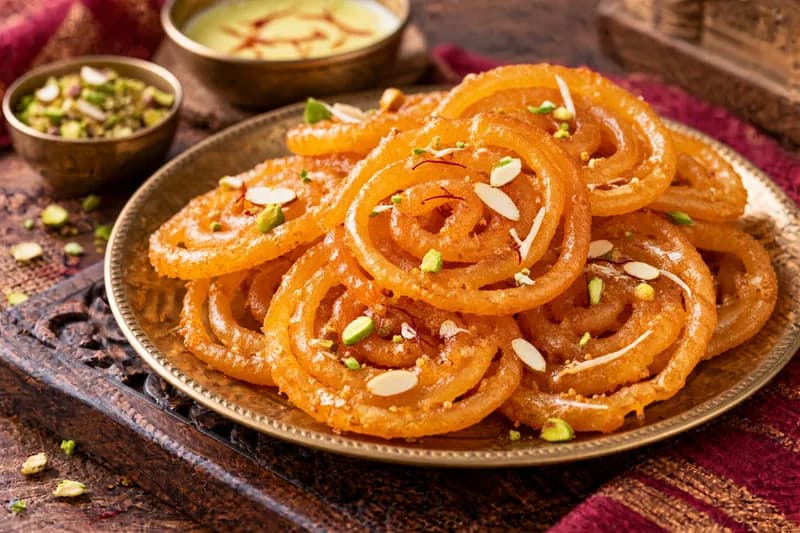
Jalebi
Traditional Punjabi sweet, crispy and syrupy, often enjoyed hot and fresh from street vendors.
Visitor guide
Amritsar Bus Stand (Guru Ram Das Bus Stand)
3 km
- The main bus terminal serving Amritsar city, with frequent intra-city and intercity buses. It connects the Golden Temple to nearby towns and cities. Auto-rickshaws and taxis are readily available for temple access.
Interstate Bus Stand, Amritsar
4 km
- Handles long-distance buses connecting Punjab with neighboring states like Haryana, Himachal Pradesh, and Jammu & Kashmir. Well-connected with local transport options to the Golden Temple.
Guru Nanak Bus Stand, Amritsar
2.5 km
- Serves local and regional bus routes, offering easy and affordable access to the Golden Temple from various parts of the city and surrounding villages.
Videos
Third-party videos may include ads or external commentary.
Frequently Asked Questions
The Golden Temple, also known as Sri Harmandir Sahib, is the most important Sikh pilgrimage site, located in Amritsar, Punjab.
It is famous for its gold-covered architecture, sacred Amrit Sarovar, spiritual significance, and free community Langar.
Guru Arjan Sahib, the fifth Sikh Guru, oversaw the construction of the Golden Temple, which was completed in the early 17th century.
The Golden Temple is located in Amritsar, Punjab, India.
Yes, entry to the Golden Temple is free for everyone, regardless of religion, nationality, or background.
Langar is a free vegetarian community meal served to all visitors as a symbol of equality, service, and hospitality.
Visitors should dress modestly and cover their heads before entering the Golden Temple.
The Golden Temple can be visited throughout the year. Early mornings and evenings are particularly popular for their peaceful atmosphere.
Photography is permitted in many areas of the complex, but visitors should follow signs and respect restricted areas.
Popular nearby attractions include Jallianwala Bagh, the Partition Museum, and the historic markets of Amritsar.