

24°C
Chittoor
Sri Kalahasteeswara Temple
 Chittoor, Andhra Pradesh, India
Sri Kalahasti Temple in Andhra Pradesh is a renowned Shiva temple, known as the Vayu Sthalam among Pancha Bhoota Sthalams, famous for Rahu-Ketu pooja and its ancient Dravidian architecture.
- ReligionHindu
- DeityLord Shiva(Kalahasteeswara),
Goddess Parvati(Gnanaprasunambika) - Timings06:00 AM - 09:00 PM

About the temple
About the temple
Sri Kalahasti Temple, located in Andhra Pradesh, is a renowned Shiva temple known as the "Kashi of the South." It is one of the Pancha Bhoota Sthalams, representing the element of air (Vayu). The presiding deity, Kalahasteeswara, is worshipped in the form of a lingam. The temple is famous for Rahu-Ketu poojas and is closely associated with the saint Kannappa. Set beside the Swarnamukhi River, it showcases magnificent Dravidian architecture.
Sri Kalahasteeswara Temple
Sri Kalahasteeswara Temple
The Timeless Majesty of Srikalahasti Temple in Numbers
Explore the sacred legacy of Srikalahasti Temple a symbol of Vayu (air) among the Pancha Bhoota Sthalams. Known for its Rahu-Ketu Pooja, divine legends, and intricate Dravidian architecture, this ancient temple continues to be a spiritual epicenter for millions.
- Age of the Temple, Dating Back to Pallava and Chola Eras
- 1600+ yrs
- Annual Visitors for Darshan and Rahu-Ketu Poojas
- 9M+
- Height of the Historic Rajagopuram Built by Krishnadevaraya in 1516
- 120 ft
- Rahu-Ketu Poojas Performed Every Day of the Year
- Every Day
- One of the Five Pancha Bhoota Sthalams Representing the Element 'Vayu' (Air)
- 5
- Sacred Temple Tanks - Surya Pushkarani and Chandra Pushkarani
- 2
Age of the Temple, Dating Back to Pallava and Chola Eras
Annual Visitors for Darshan and Rahu-Ketu Poojas
Height of the Historic Rajagopuram Built by Krishnadevaraya in 1516
Rahu-Ketu Poojas Performed Every Day of the Year
One of the Five Pancha Bhoota Sthalams Representing the Element 'Vayu' (Air)
Sacred Temple Tanks - Surya Pushkarani and Chandra Pushkarani
Historical Background
Sri Kalahasti Temple in Andhra Pradesh is a famous Shiva shrine, representing the Vayu element among the Pancha Bhoota Sthalams. Known for Rahu-Ketu poojas, it features Dravidian architecture and is located by the Swarnamukhi River. The temple is also linked to the devotion of saint Kannappa.
5th Century CE
5th Century CE
The Pallava dynasty is believed to have established the temple's foundation, marking the beginning of its history.10th-12th Century (Chola Period)
10th-12th Century (Chola Period)
The Chola dynasty took over and made several contributions to the temple's infrastructure, including the addition of various shrines, the southern gopuram, and sculptures. Chola kings - including Rajaraja Chola I, Rajadhiraja Chola I, and Kulottunga Chola I - provided significant patronage, and inscriptions from this period document royal donations dating back to the 10th century.16th Century (Vijayanagara Empire)
16th Century (Vijayanagara Empire)
The temple underwent major renovations and expansions during the reign of Sri Krishnadevaraya (1509 - 1529 CE). In 1516 CE, he constructed the 120-foot-high gopuram and the hundred-pillared mandapam. Inscriptions from this period provide evidence of royal patronage and further solidified the temple's importance as a pilgrimage site.17th - 18th Century
17th - 18th Century
Continuous developments and maintenance were carried out by subsequent rulers. The temple continued to flourish, attracting devotees from across India, particularly for the Rahu-Ketu dosha nivarana rituals.19th - 20th Century
19th - 20th Century
British records and colonial officials acknowledged the temple's importance, and it saw gradual repairs and restorations. The temple's popularity continued to rise during this period, becoming one of the prominent Shaivite pilgrimage centers in South India.21st Century (Modern Times)
21st Century (Modern Times)
The temple remains a major religious and cultural center, hosting a large number of devotees every year. Notably, the historic gopuram built by Krishnadevaraya collapsed on 26 May 2010 due to a foundational crack, and was rebuilt and consecrated on 18 January 2017. Renovations and modern improvements continue to preserve the temple's historical and spiritual significance, with regular rituals, festivals, and special prayers for Rahu-Ketu doshas.


Synopsis
Sri Kalahasti Temple in Andhra Pradesh is a famous Shiva shrine, representing the Vayu element among the Pancha Bhoota Sthalams. Known for Rahu-Ketu poojas, it features Dravidian architecture and is located by the Swarnamukhi River. The temple is also linked to the devotion of saint Kannappa.
The Sri Kalahasti Temple has its roots in ancient history, dating back to the 5th century CE, with its initial construction attributed to the Pallava dynasty. Over the centuries, the temple has seen contributions and renovations by various dynasties, particularly the Cholas and the Vijayanagara rulers. The temple is also part of the sacred Pancha Bhoota Sthalams, symbolizing the element of Vayu (Air). The legends of a spider, snake, and elephant worshipping the Shiva Lingam here further contributed to its mythological significance.
The temple holds a rich collection of inscriptions from the Chola and Vijayanagara periods. These inscriptions, written in Tamil, Sanskrit, and Telugu, document royal patronage and donations. The Sri Krishnadevaraya period, during the Vijayanagara Empire, saw significant expansion and the construction of the 120-foot high gopuram (temple tower). Ancient scriptures also mention the temple's association with several saints, including Kannappa Nayanar, who is believed to have attained spiritual liberation at the site.
Royal Patronage: The temple's history is marked by continuous patronage from kings like the Pallavas, Cholas, and Vijayanagara rulers, with royal donations and architectural enhancements. Architectural Evolution: The Dravidian style of architecture seen in the temple today is a blend of influences from various dynasties, with major contributions during the Vijayanagara period, such as the construction of the gopuram and several mandapams (halls).
Sacred significance
Sacred Abode of Lord Shiva - The Vayu Linga
Srikalahasti Temple is one of the Pancha Bhoota Sthalams, symbolizing the element of air (Vayu). The linga here is believed to be Swayambhu (self-manifested) and is associated with the constant flow of air even within the sanctum, which adds to its mystical presence.
Devotion of Kannappa Nayanar
The temple is deeply connected to Kannappa Nayanar, a tribal devotee who offered his own eyes to Lord Shiva as a mark of his unwavering devotion. This tale represents pure, selfless bhakti and is revered by Shaivites across India.
Centre of Shaivite Spiritual Practices
Daily rituals such as Abhishekam, Rudrabhishekam, and Archana draw thousands of devotees. The temple is an important center for spiritual seekers following Shaiva Siddhanta, offering pathways to spiritual liberation (moksha).
Role in Saiva Canonical Literature
The temple is praised in Thevaram hymns composed by the three Saiva saints - Sambandar, Appar, and Sundarar emphasizing its ancient spiritual value and significance in Tamil devotional literature.
Architecture
The Sri Kalahasti Temple showcases stunning Dravidian architecture with intricate carvings, towering gopurams, and expansive mandapams. The temple's design reflects the grandeur of the Chola and Vijayanagara periods, embodying rich cultural heritage.
Architecture
Dravidian Architecture
The Sri Kalahasti Temple is a prominent example of Dravidian architecture, characterized by intricate carvings, towering gopurams, and detailed sculptures. The temple layout incorporates expansive mandapams (pillared halls) and finely crafted stone pillars, reflecting the artistic achievements of the Chola and Vijayanagara dynasties. This architectural style creates an immersive experience for devotees, enhancing both spiritual and cultural engagement with the sacred space.
Gopuram
Majestic Gopuram
The Sri Kalahasti Temple features a 120-foot tall gopuram, which is an iconic gateway tower showcasing elaborate carvings of deities and mythological scenes. This towering structure marks the entrance to the temple and serves as a visual representation of divine protection and the spiritual journey towards the sacred sanctum.
Mandapams
Mandapams and Sculptural Details
The temple's mandapams (pillared halls) are adorned with exquisite sculptures, providing both functional and aesthetic spaces for rituals. These meticulously designed halls, with their ornate carvings, reflect the intricate craftsmanship of the Vijayanagara period, enhancing the temple’s architectural and cultural significance.
Historical Influence
Influence of Chola and Vijayanagara Dynasties
The architectural style of Sri Kalahasti Temple incorporates features from the Chola and Vijayanagara dynasties, blending elements such as finely carved stone pillars, expansive halls, and a towering gopuram. These dynastic influences enriched the temple's design, contributing to its grandeur and spiritual ambiance.
Vastu Shastra
Vastu and Cosmic Alignment
The Sri Kalahasti Temple is designed according to Vastu Shastra, the ancient science of architecture. The temple's layout, from the entrance to the sanctum sanctorum, is meticulously planned to maintain cosmic harmony and align with divine energies. This alignment is believed to enhance spiritual growth and create a balanced environment for worshippers.
Sculptural Art
Intricate Sculptural Art
The temple is renowned for its detailed sculptural art, with stone carvings depicting a variety of deities, mythological scenes, and cosmic symbols. The artistry reflects the profound spirituality and cultural richness of the Chola and Vijayanagara periods, adding to the temple's historical and artistic heritage.
Pillars and Halls
Pillars and Ritual Halls
The temple features stone pillars that are not only architectural marvels but also symbolic elements of the temple’s spiritual design. The ritual halls supported by these pillars are where the temple's ceremonies take place, creating a serene atmosphere for worship. The precise arrangement of these pillars and halls plays a role in enhancing the temple’s acoustic and spiritual qualities.
Interesting facts

Sri Kalahasti Temple is one of the five Pancha Bhoota Sthalams and symbolizes the Vayu (air) element. A unique feature inside the sanctum is a flame that flickers constantly without any visible airflow, believed to represent the presence of Vayu himself.
Deities & Shrines
Gnana Prasunambika Shrine
The shrine of Goddess Gnana Prasunambika, consort of Lord Kalahasteeswara, is an integral part of the temple. She symbolizes divine knowledge and compassion, and devotees seek her blessings for wisdom, mental clarity, and spiritual insight.
Subrahmanya Swamy Shrine
A dedicated shrine for Lord Subrahmanya (Murugan) stands within the temple complex. Revered as the deity of strength and victory, he is worshipped for success in life's challenges and is especially venerated by students and warriors.
Dakshinamurthy Shrine
The Dakshinamurthy shrine, depicting Lord Shiva as the supreme teacher, faces south and attracts devotees seeking enlightenment and spiritual guidance. He represents silent wisdom and is especially prayed to by students and seekers of higher knowledge.
Surya Bhagavan Shrine
The Surya shrine honors the Sun God, a symbol of vitality and health. Devotees offer prayers here for physical strength, wellness, and the dispelling of inner darkness, particularly on auspicious solar days.
Chandra Bhagavan Shrine
The temple complex includes the Chandra Pushkarani, a sacred water tank associated with the Moon, alongside its counterpart, the Surya Pushkarani. These theerthams (holy waters) are used in temple rituals, including Abhishekam, and are considered spiritually significant, though - unlike the Surya shrine - there isn't a separate idol-based shrine dedicated to Chandra as a deity here.
Darshan & Service Offerings
| Service | Timing | Price | Notes |
|---|---|---|---|
| Free Darshan (Sarvadarshan) | 6:00 AM to 9:00 PM (varies with crowd) | Free | This darshan allows devotees to have a glimpse of Lord Kalahasteeswara without any fee. It is the standard option for most pilgrims. During weekends, Rahu-Ketu transit days, and festivals, the waiting time may range from 1 to 3 hours. No prior ticket or registration is required. |
| Special Darshan | 6:00 AM to 9:00 PM | ₹100 | This is a paid darshan option offering a relatively quicker entry compared to the free darshan line. It is recommended for elderly devotees or those with limited time. Tickets can be purchased at the temple premises. |
| VIP Darshan | 6:00 AM to 9:00 PM | ₹500 - ₹1,000 | Provides expedited access to the inner sanctum with minimal waiting. This darshan is ideal during peak times and is commonly used by pilgrims performing Rahu-Ketu Poojas. Tickets are available at the temple counter or can be booked through authorized temple agents. |
Visitor information
Remove Footwear
Shoes and slippers must be removed before entering the temple premises. Use the designated footwear stands outside the temple.
Dress Modestly
Wear traditional or conservative attire. Men are encouraged to wear dhotis or pants and shirts; women should wear sarees, salwar kameez, or traditional dresses.
Maintain Silence and Decorum
Speak softly and behave respectfully to preserve the spiritual atmosphere inside the temple.
Follow Temple Timings
Visit the temple during the official darshan and pooja hours. Entry may be restricted during certain rituals or cleaning breaks.
Use Designated Entry and Exit Points
Stick to the marked entry and exit routes to ensure orderly movement of devotees.
Follow Cleanliness and Hygiene
Use temple-provided washrooms and handwashing facilities. Maintain cleanliness in common areas and restrooms.
Respect Rituals and Queues
Stand in queues patiently, especially for darshan or pooja. Do not push or break lines.
Offer Donations Only in Hundi
Place donations only in the official temple hundi (donation box) to ensure funds go to temple services and upkeep.
Cooperate During Security Checks
Security screening is done for everyone’s safety. Cooperate with the staff and avoid bringing restricted items.
Seek Guidance from Temple Staff
For pooja details, timings, or directions, consult official temple staff or information counters.
Location
Chittoor, Andhra Pradesh, India
Best Time to Visit
Ideal Time for Visit
For a comfortable visit, the winter months from October to March are the best, offering pleasant weather and fewer crowds. This period allows devotees to enjoy the serene atmosphere and devote ample time for darshan and rituals.
Festival Experience
Visit during Maha Shivaratri (February-March) for a spiritually enriching experience. The temple hosts special prayers, processions, and cultural performances. The festival brings an elevated divine atmosphere, attracting thousands of devotees.
Off-Peak Time
To avoid crowds, visiting during the weekdays, particularly between June and September, is ideal. This off-peak period allows for quicker darshan and a more peaceful experience, though the weather can be warmer and humid.
Summer Visit
Although summers (April to June) can be quite hot, early mornings and evenings offer cooler temperatures for darshan. This time is suitable for those who prefer to avoid large crowds, but it's essential to carry water and stay hydrated.
Nearby places
Sri Padmavathi Ammavari Temple
36 km
- Located in Tiruchanur, this temple is dedicated to Goddess Padmavathi, the consort of Lord Venkateswara. Pilgrims traditionally visit this shrine before proceeding to Tirumala for darshan, as it is closely associated with the Venkateswara temple.
Sri Kapileswara Swamy Temple
36 km
- Situated at the foot of the Seshachalam Hills in Tirupati, this temple is dedicated to Lord Shiva. It is famous for its scenic beauty and peaceful environment, and the temple is known for its natural spring, which adds to its serene atmosphere.
Sri Venkateswara Temple
36 km
- Located in Tirumala, this is the most famous temple dedicated to Lord Venkateswara, attracting millions of devotees from around the world. It is one of the richest and most visited pilgrimage centers globally, located atop the Seshachalam Hills.
Festivals & culture
Sri Kalahasti Temple festivals are spiritually vibrant, with Maha Shivaratri being the most prominent. The temple's annual Brahmotsavam is held as part of this same Maha Shivaratri period. Devotees also celebrate Karthika Deepam, Arudra Darshan, and Vinayaka Chaturthi with grand rituals and cultural events.
Maha Shivaratri
February - March
The most significant festival at Sri Kalahasti, Maha Shivaratri is celebrated with grand abhishekams, night-long bhajans, and special rituals. Thousands of devotees gather to offer prayers to Lord Shiva and seek his blessings on this auspicious night.
Brahmotsavam
February - March
Held as a 14-day festival combined with the Maha Shivaratri celebrations, Brahmotsavam includes daily processions of Lord Shiva and Goddess Parvati on different vahanas, along with rituals like Rathotsavam, Teppotsavam, and Kalyanotsavam, drawing large numbers of pilgrims.
Karthika Deepam
November - December
Celebrated during the full moon of the Karthika month, devotees light lamps throughout the temple and perform special pujas. The glowing temple creates a mesmerizing and divine atmosphere.
Vinayaka Chaturthi
August - September
Dedicated to Lord Ganesha, this festival is observed with special pujas and offerings at the Vinayaka Shrine inside the temple. Devotees pray for removal of obstacles and new beginnings.
Arudra Darshan
December - January
Celebrated in honor of Lord Shiva as Nataraja, the cosmic dancer, with abhishekams and traditional dance performances. It is an important Shaivite festival observed with spiritual fervor.
Additional information
Sri Kalahasti Temple Office
Phone: +91-8578-222240 - For inquiries on darshan, poojas, or facilities.
Incredible India Tourist Helpline
Toll-Free: 1800-11-1363 - 24/7 multilingual support for tourist information and assistance across India, including Andhra Pradesh.
Temple facilities
Rahu-Ketu Dosha Nivarana Pooja
This powerful remedy is performed to eliminate doshas related to Rahu and Ketu in the horoscope. Conducted in the temple premises multiple times daily, it attracts devotees seeking relief from marital, career, and health issues.
Rahu-Ketu Pooja
A powerful ritual unique to Sri Kalahasti Temple, performed to reduce the malefic effects of Rahu and Ketu doshas in one's horoscope. Conducted daily with temple priests guiding the process.
Shiva Abhishekam
Daily abhishekam (ritual bathing) of Lord Kalahasteeswara with milk, curd, honey, and sacred water is performed with Vedic chants to purify and energize the deity.
Emergency services
Dr.Ravibabu Hospital
1 km
Contact
N/A
- A private hospital providing emergency care, general medical services, and specialized treatments to residents and visitors of Sri Kalahasti.
SS Hospital ( Sai Srinivasa Hospital )
1.5 km
Contact
N/A
- A well-equipped hospital offering a wide range of medical services, including emergency care, surgery, and specialist consultations.
Top picks
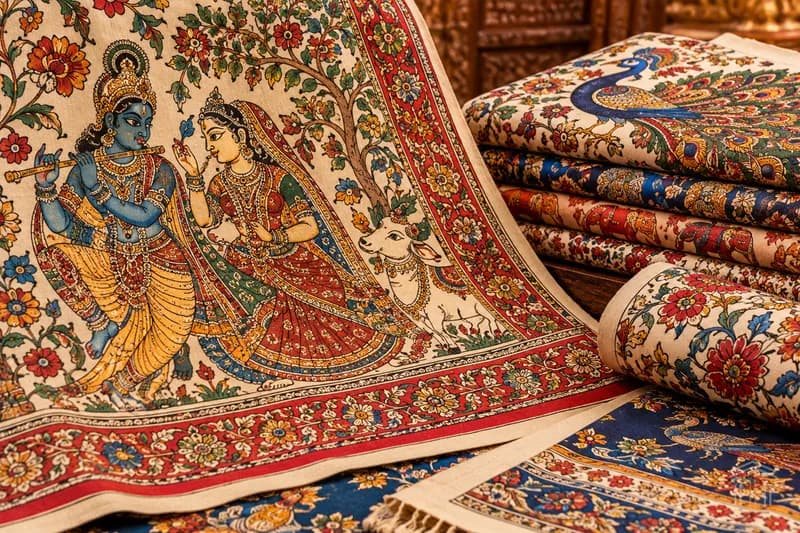
Srikalahasti Kalamkari
Srikalahasti is the birthplace of Kalamkari - an ancient, hand-painted textile art using natural dyes, practiced by artisan families in the town for generations. This GI-protected craft depicts scenes from Hindu epics and is sold directly from local artisan studios near the temple.
Visitor guide
APSRTC BUS DEPOT , SRIKALAHASTI
1.6 km
- APSRTC BUS DEPOT, SRIKALAHASTI is approximately 1.6 km from Srikalahasti Temple, making it a convenient nearby bus facility for devotees and visitors.
Srikalahasti bus stand
1.4 km
- Srikalahasti bus stand is approximately 1.4 km from Srikalahasti Temple, making it a convenient nearby bus facility for devotees and visitors.
Gallery
Videos
Third-party videos may include ads or external commentary.
Frequently Asked Questions
Srikalahasti Temple is located in Srikalahasti town, Tirupati district, Andhra Pradesh, India. The temple is situated on the banks of the Swarnamukhi River and is one of the most important Shiva temples in South India.
Srikalahasti Temple is famous for being associated with Lord Shiva as Kalahasteeswara and for its significance as the Vayu Sthalam, representing the element of air among the Pancha Bhoota temples. It is also well known for Rahu-Ketu pooja.
The main deity of Srikalahasti Temple is Lord Shiva, worshipped as Sri Kalahasteeswara. Goddess Parvati is worshipped here as Gnana Prasunambika Devi.
Srikalahasti Temple is one of the five Pancha Bhoota Sthalams dedicated to Lord Shiva. It represents Vayu, or the element of air, making it an important spiritual destination for Shiva devotees.
Srikalahasti Temple is popularly known as a Rahu-Ketu temple because devotees visit to perform Rahu-Ketu Sarpa Dosha Nivarana Pooja. The temple is believed to be an important place for performing rituals associated with astrological beliefs concerning Rahu and Ketu.
Srikalahasti Temple has ancient origins and a long association with Hindu mythology. The present temple complex was developed and expanded under several South Indian dynasties, including the Pallavas, Cholas, and Vijayanagara rulers.
Srikalahasti Temple generally opens early in the morning and remains accessible to devotees until evening, with specific timings for darshan, poojas, and special rituals. Visitors should check the latest official temple timings before planning their visit.
Srikalahasti Temple is known for its impressive Dravidian-style architecture, including a grand gopuram, intricately carved pillars, spacious mandapas, and historic temple structures. The temple complex reflects architectural contributions from different South Indian dynasties.
Maha Shivaratri is one of the most important festivals celebrated at Srikalahasti Temple. The temple also observes other major Hindu festivals and special rituals dedicated to Lord Shiva throughout the year.
Srikalahasti Temple is well connected by road and rail. Srikalahasti Railway Station serves the town, while Tirupati is the nearest major city and transport hub. Tirupati Airport is among the nearest airports for visitors.